We visited the Castle Museum in York today. We’ve been there before, but that was many years ago…
Still lots of lovely recreations from history.


And more modern stuff from the 60’s and 70’s.

An interesting visit.
We visited the Castle Museum in York today. We’ve been there before, but that was many years ago…
Still lots of lovely recreations from history.
And more modern stuff from the 60’s and 70’s.
An interesting visit.
This hotel has proven to be quite a find. Despite being in the city centre, it’s surprisingly quiet, with good rooms, excellent beer and a great breakfast.

Good provision for dogs too:

We’re in York for the weekend. A smooth journey on the train:


After checking in to our hotel (well, posh pub), we walked around the city walls.


All of which made us thirsty enough for a beer:

Which was described as a blonde creamy mild! It went down well though.
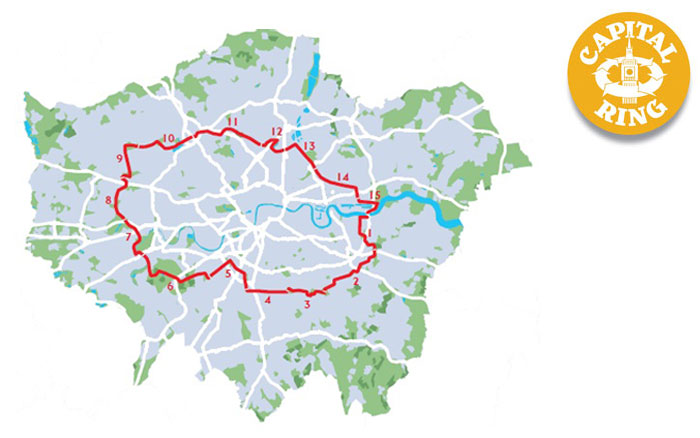
Another nice day, so time for me to continue the Capital Ring Walk.
The journey back to Hanwell was uneventful, but crossing London always takes a bit more time than the journeys I’ve so far done for the Capital Ring.
It was a short walk through the streets back to Churchfields Recreation Ground: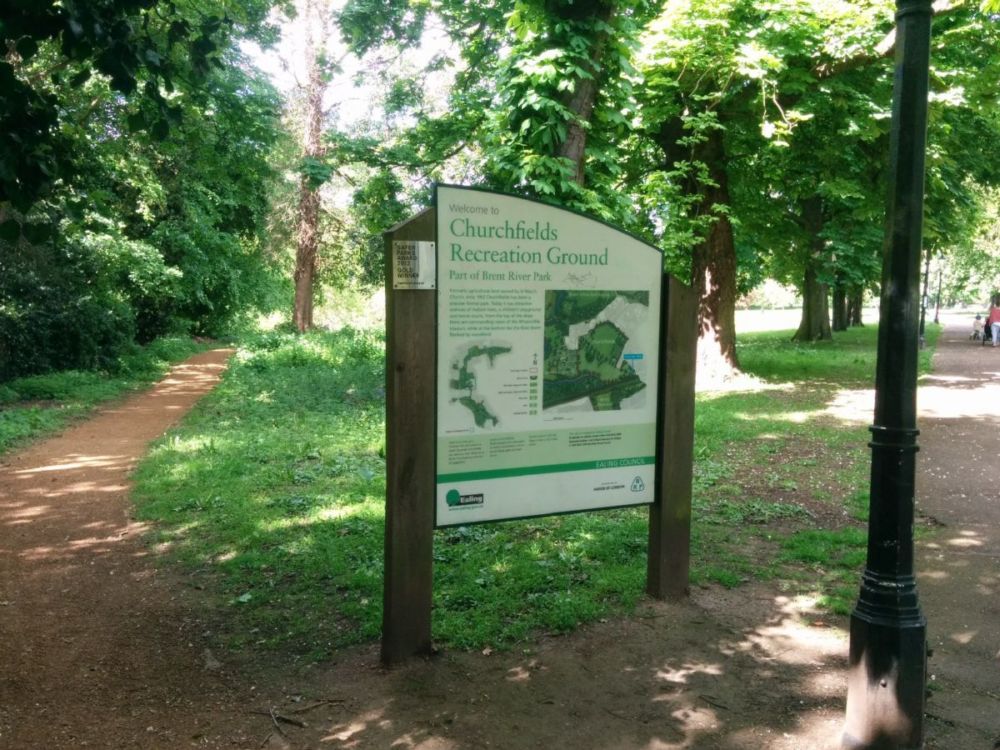
The walk again follows the River Brent, which is in the trees to the left of this photo:

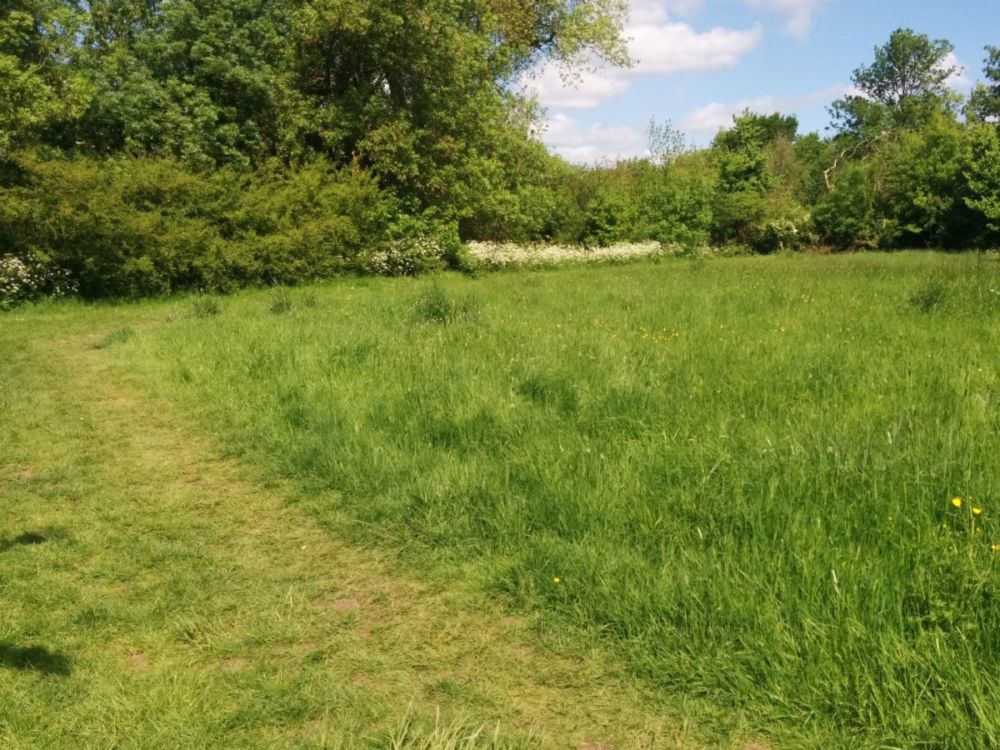
Lovely walking, and eventually the river is crossed again:

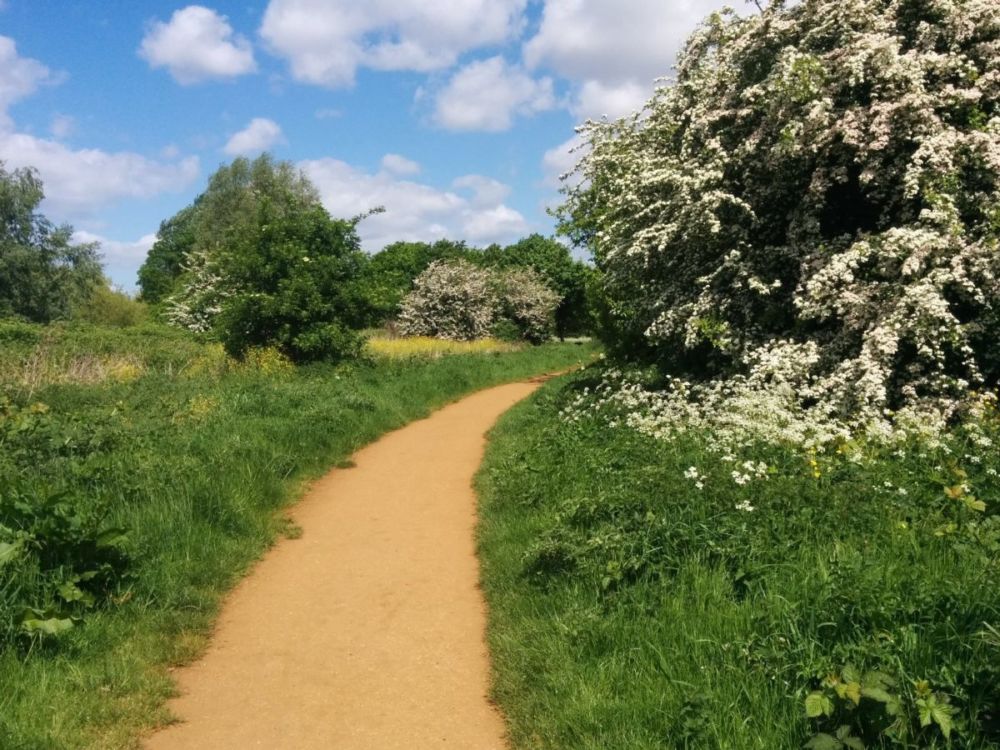
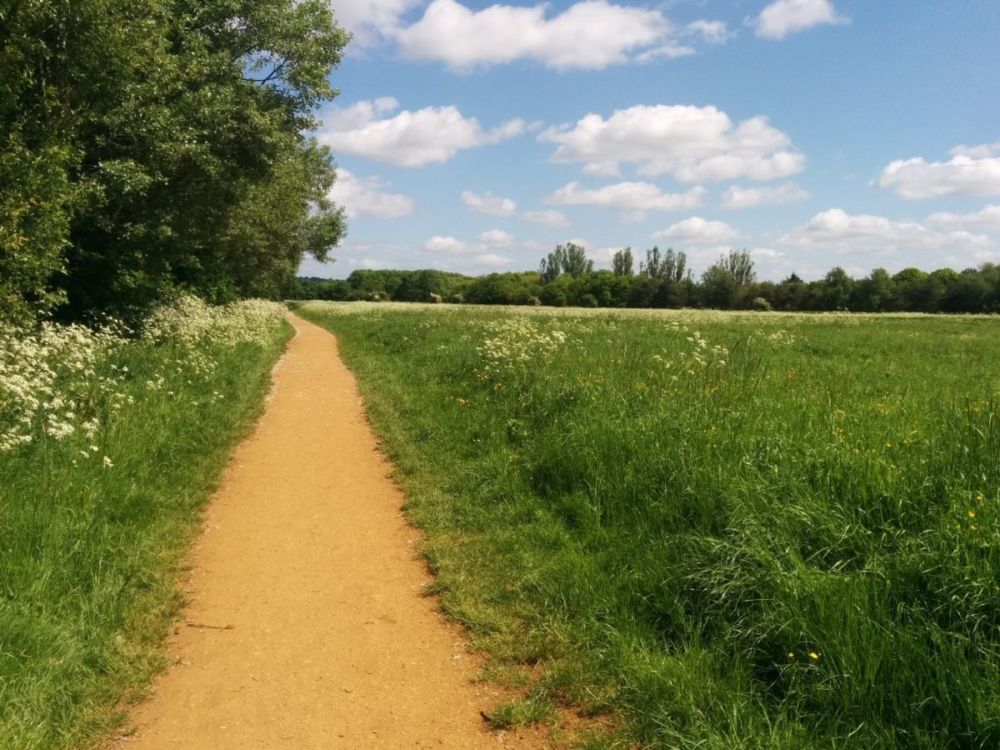
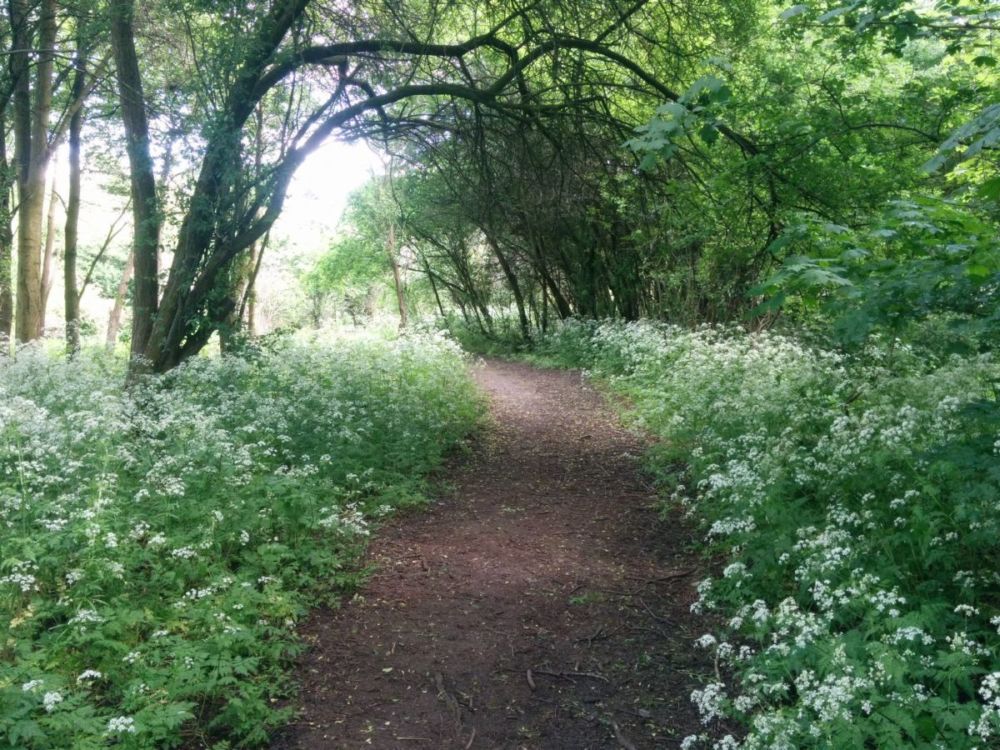
Finally, after crossing a road, we’re in the more formal Perivale Park: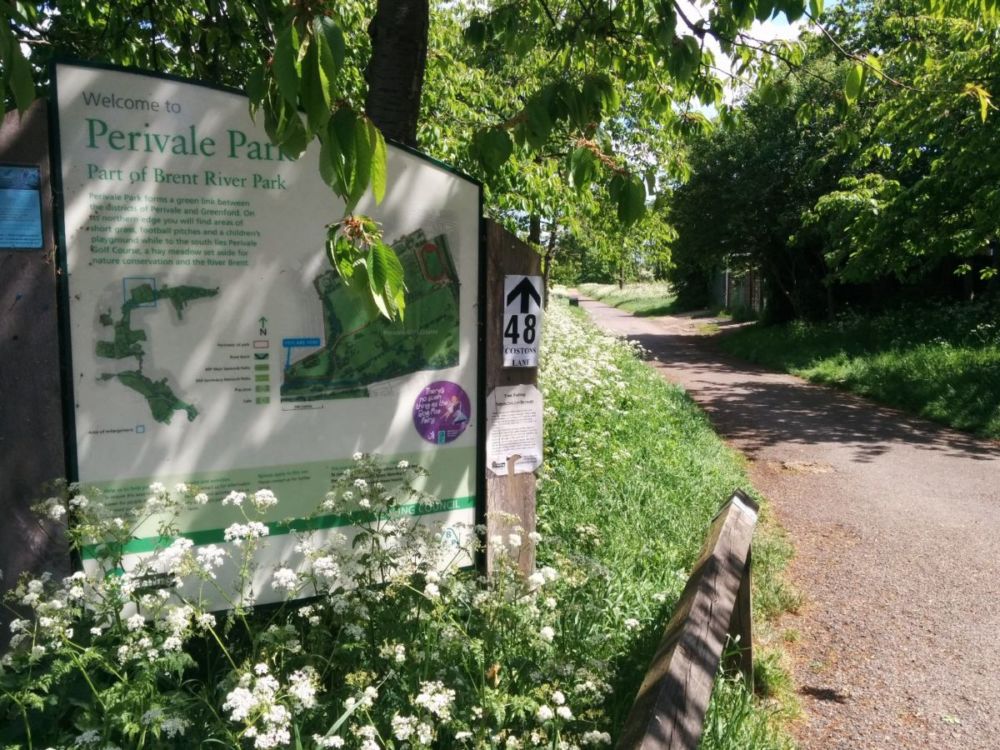
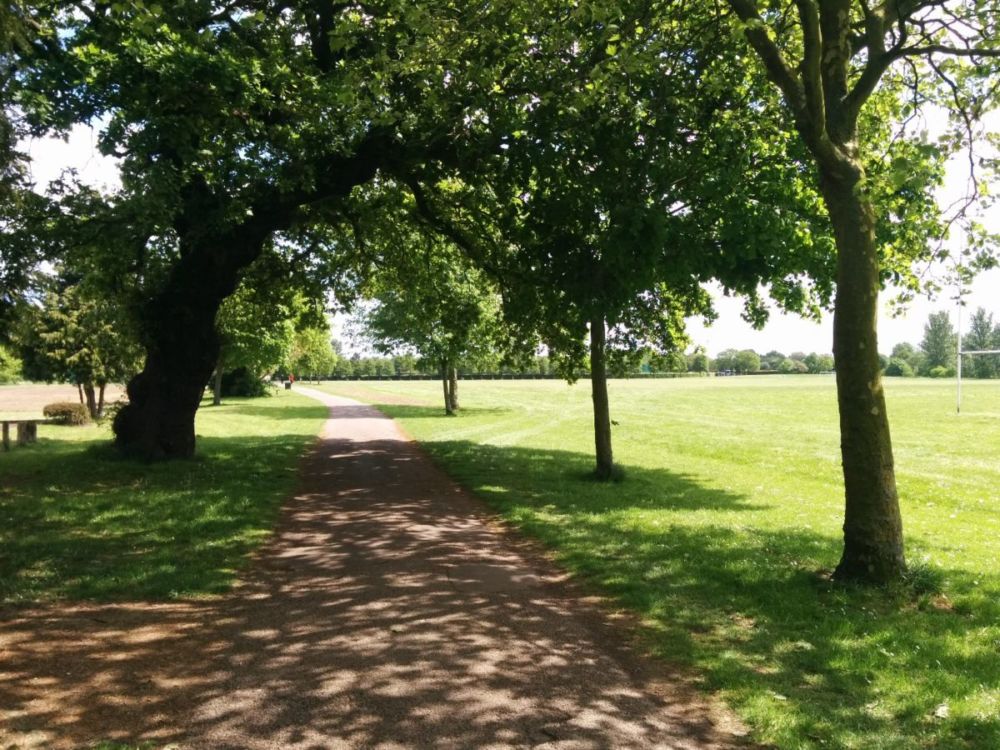
But this all comes to an end when the A40 Western Avenue is reached. Luckily there’s a footbridge:
then suburban streets into Greenford itself:
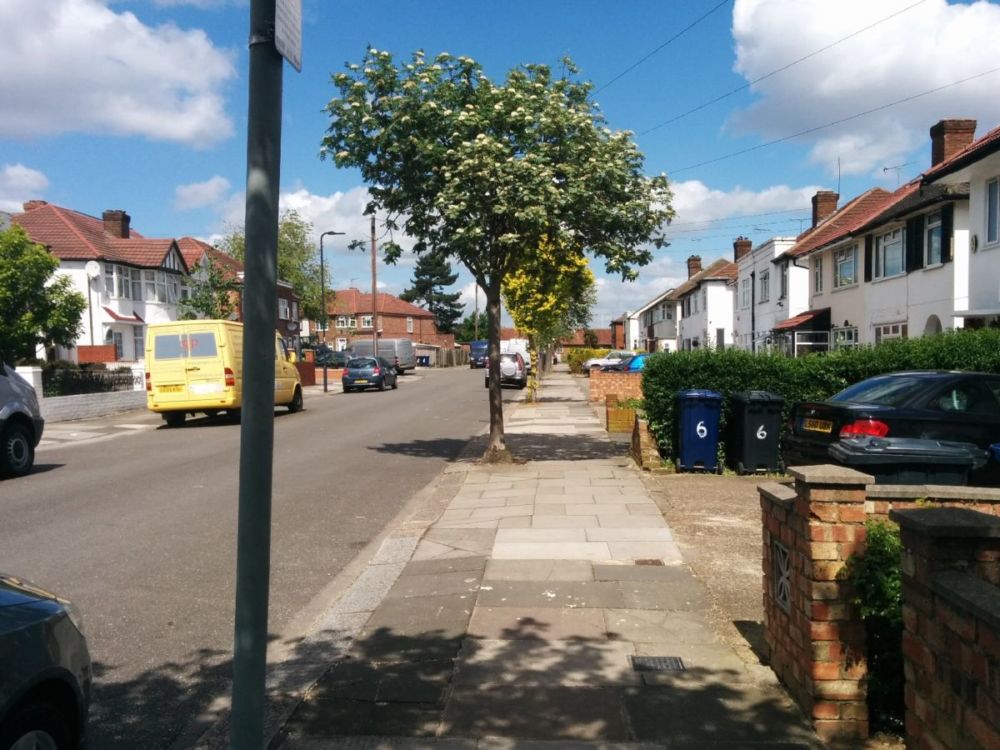
This is the end of Section 8.
After some busy roads at Greenford, the path goes along the side of the Westway Shopping Centre:
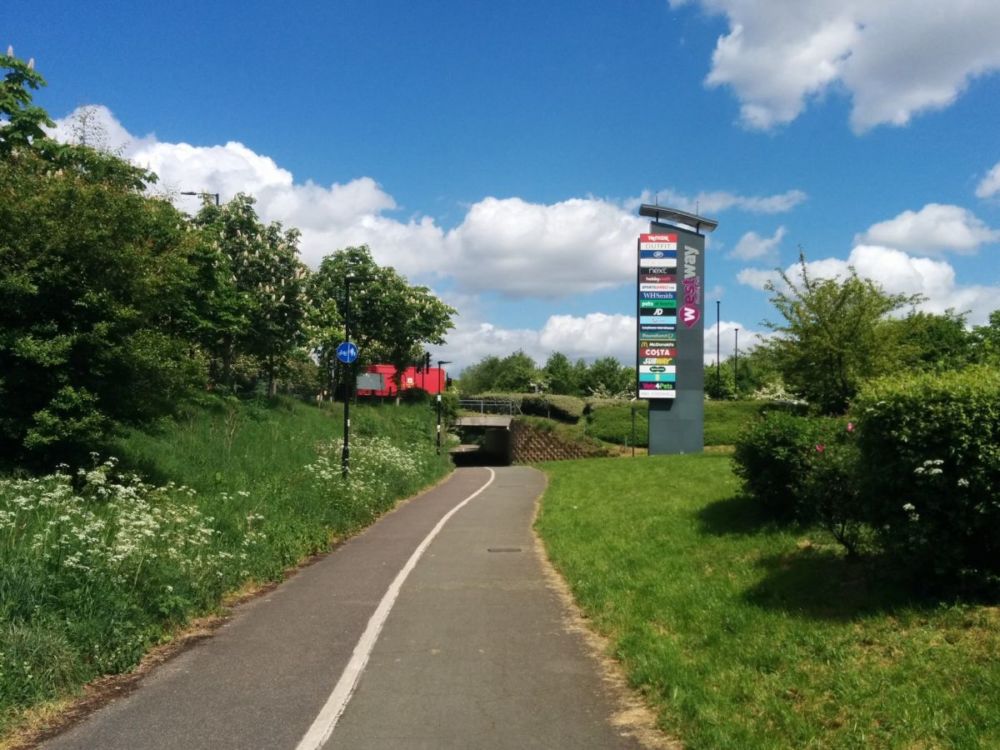
and then rejoins the tranquility of the Grand Union Canal:
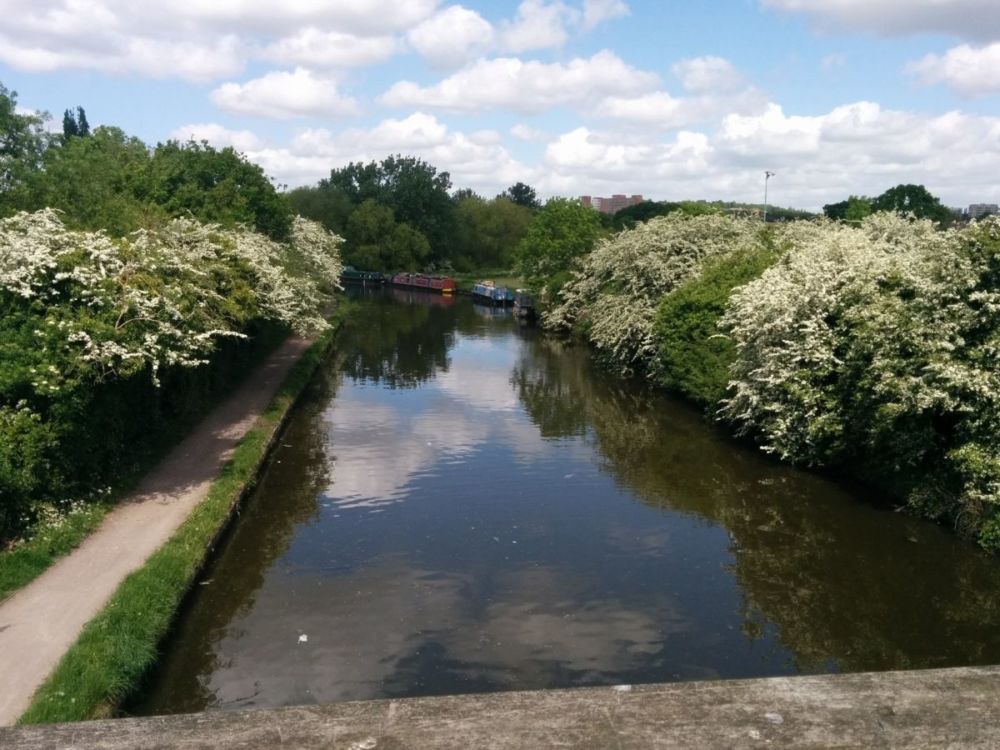

After crossing over the canal, it’s countryside again for the climb over Horsenden Hill: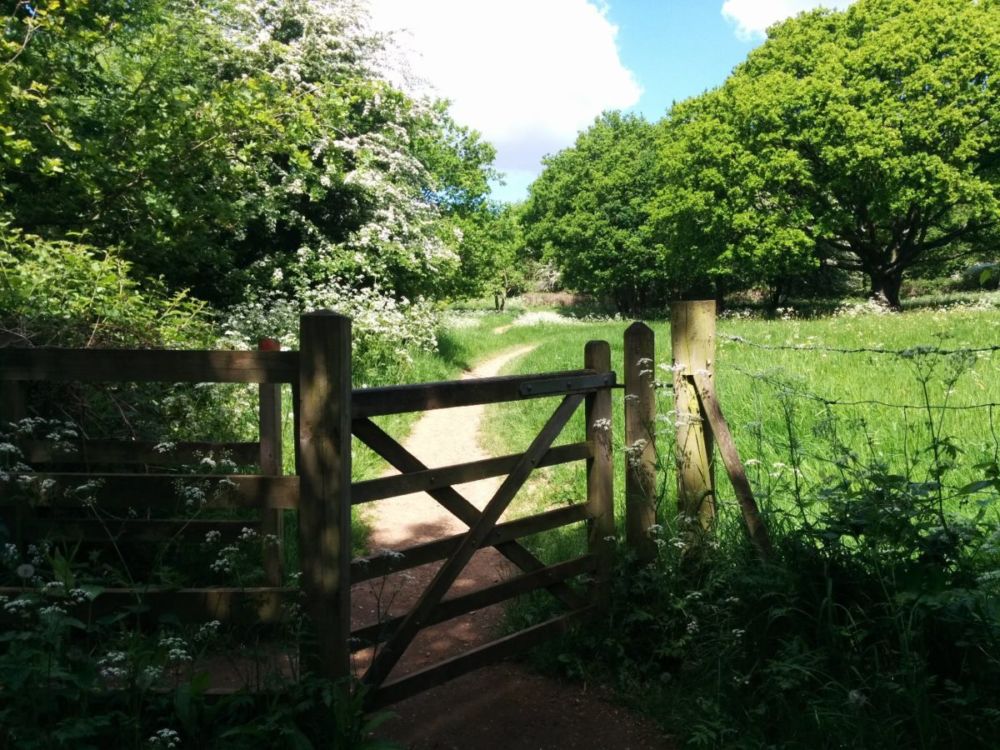
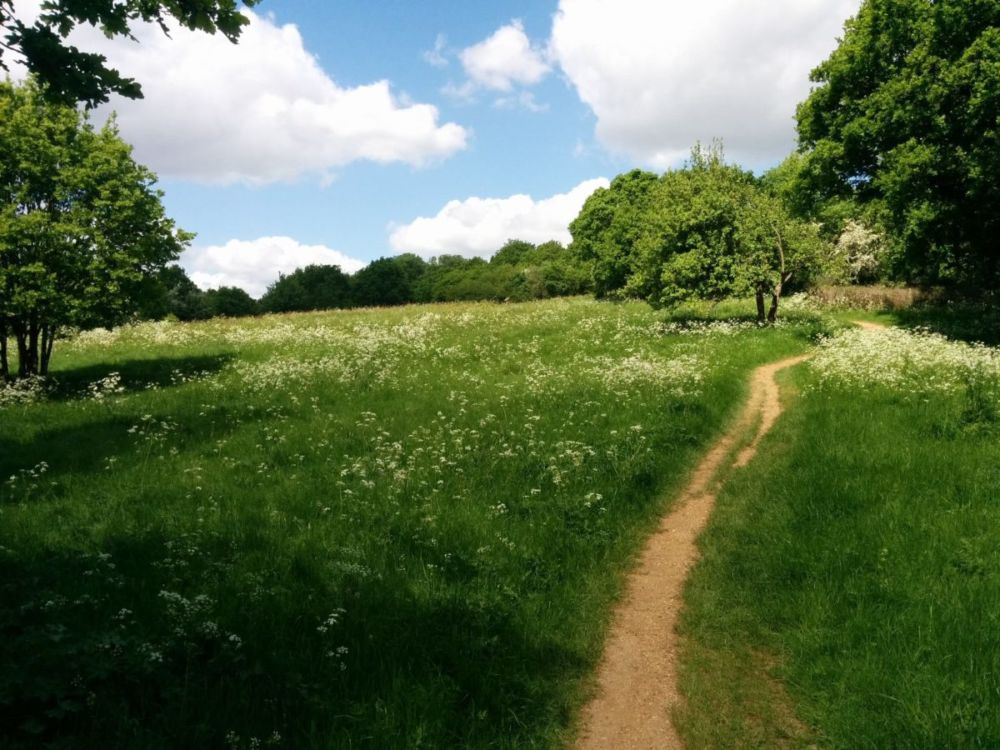
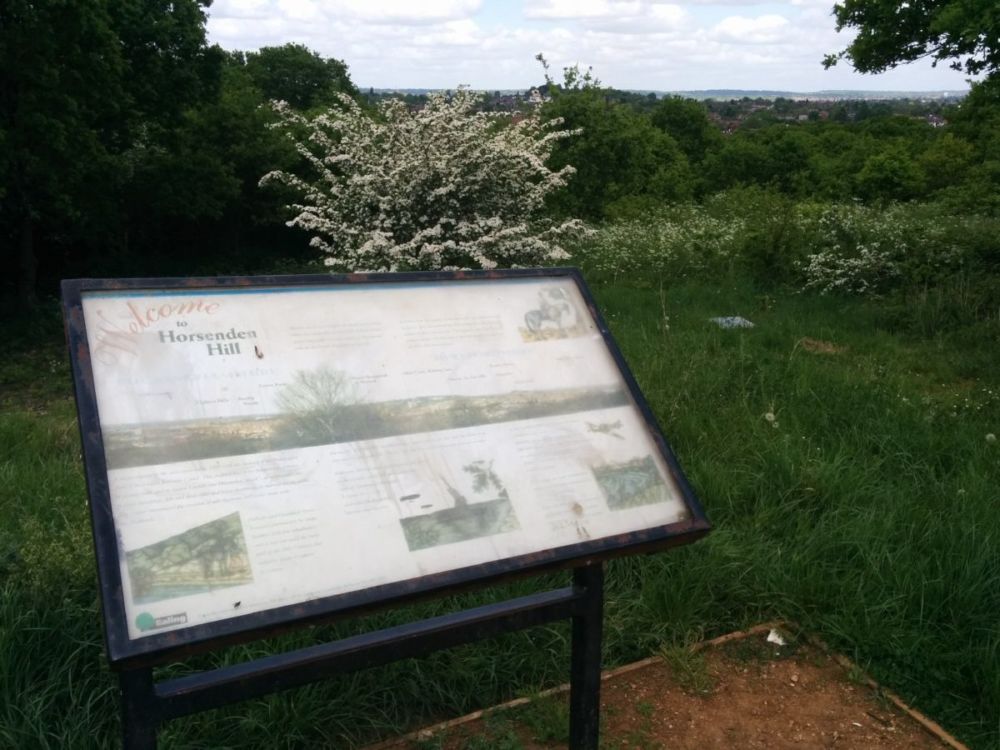
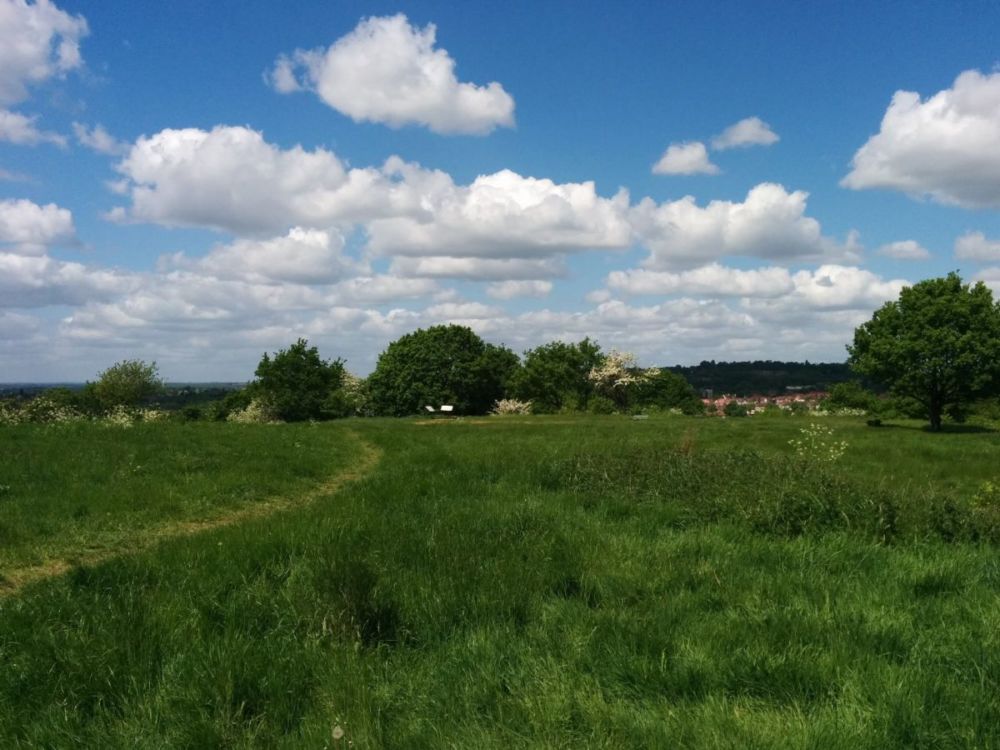
“Horsenden Hill at around 275 feet (84 metres) provides one of the finest natural viewpoints in London and is a popular kite-flying spot. On a clear day, looking west, you can see the Chiltern Hills, while to the north lies Harrow-on-the-Hill with the spire of St. Mary’s Church. During World War I, the summit came to the fore with the siting of an anti-aircraft gun pulled by a horse – a defence against German airships. 2,500 years ago, Iron Age people settled on Horsenden Hill leaving behind large amounts of pottery. The Iron Age settlement is now a Scheduled Ancient Monument.”
Then it’s back to suburbia at Sudbury Hill:
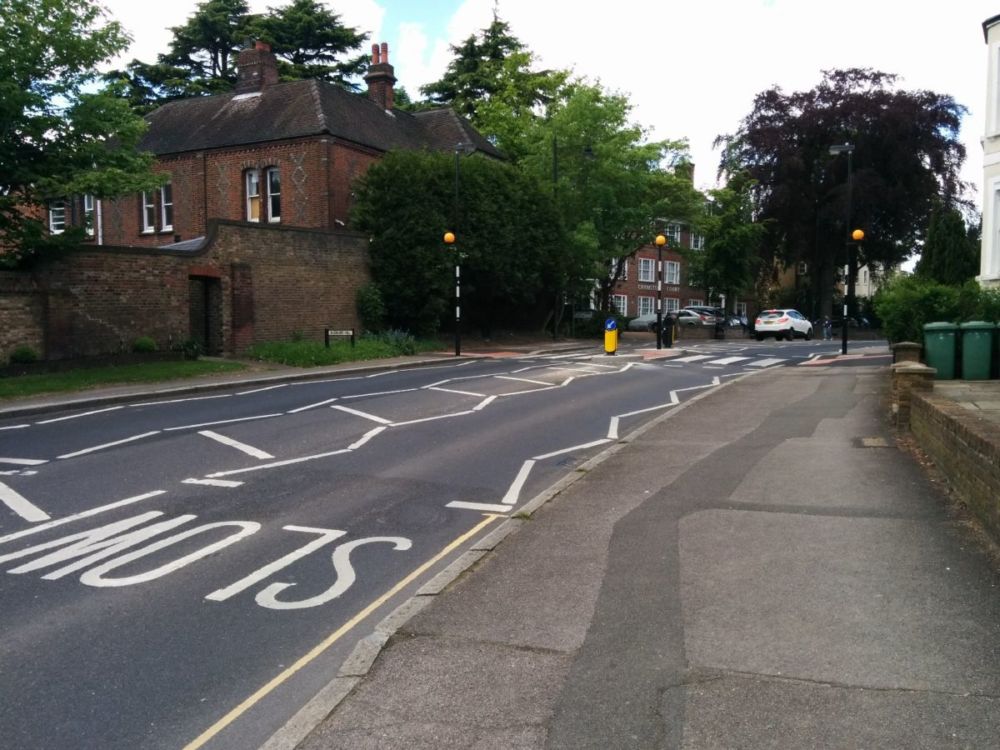
which leads into Harrow itself:
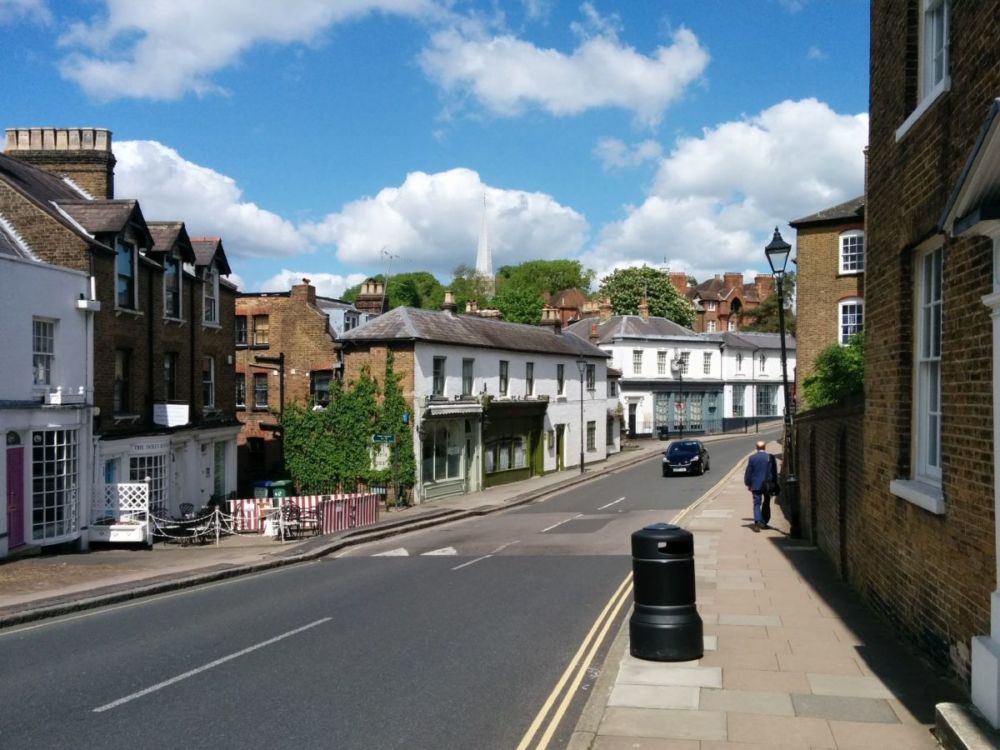
Harrow Village (mostly school buildings) are reached after yet more uphill:
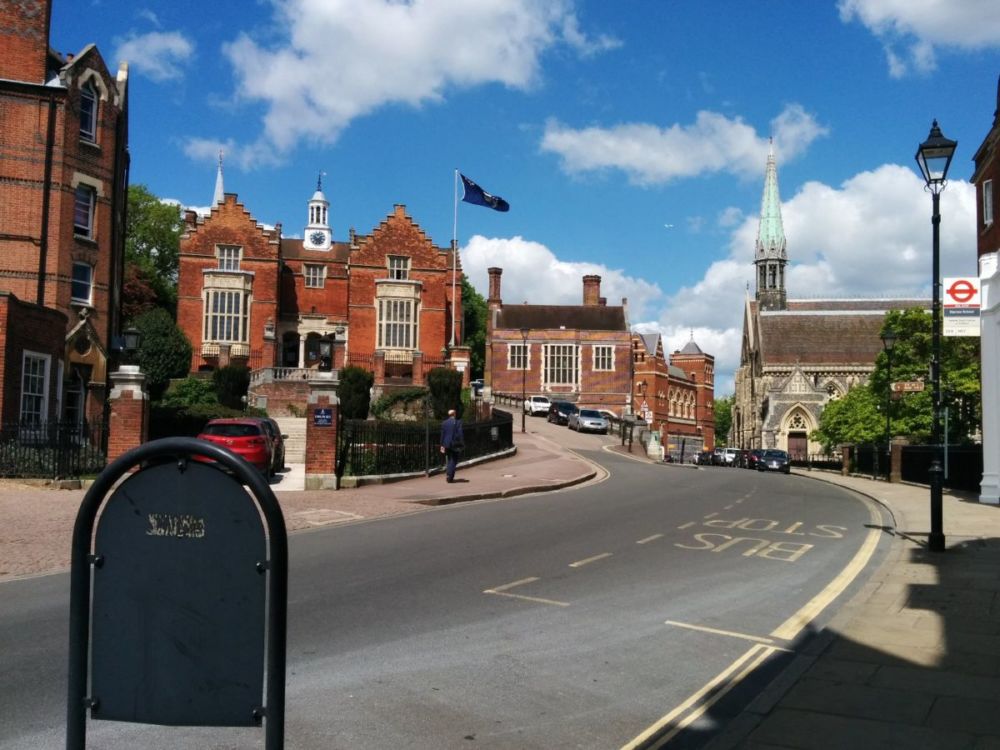
“Over the years, Harrow School has grown to occupy much of the village, with buildings scattered in all directions. On Church Hill is the original school building; a plaque says it was finished in 1619. Harrow School was established in 1572 by John Lyons, a local farmer and landowner. The pupils (all boys) can often be seen scurrying between buildings, wearing their distinctive straw boaters; there are 800 pupils spread around in 11 boarding houses in the village. As one of Britain’s foremost public schools, over the years it has educated many leading notables, including Winston Churchill, Pandit Nehru, Lord Byron, Richard Brinsley Sheridan and Anthony Trollope.”
It was then a walk back down the hill to Harrow-on-the-Hill Station:

Then two tube journeys and a fast train to home to Orpington.
6.5 miles of excellent (though hilly) Capital Ring walking today and 1 Geocache found.
For more information on the Capital Ring, see https://tfl.gov.uk/modes/walking/capital-ring
Another nice day, so time for me to continue the Capital Ring Walk.
It’s an easy journey via Waterloo back to Richmond Station, where I finished last week.
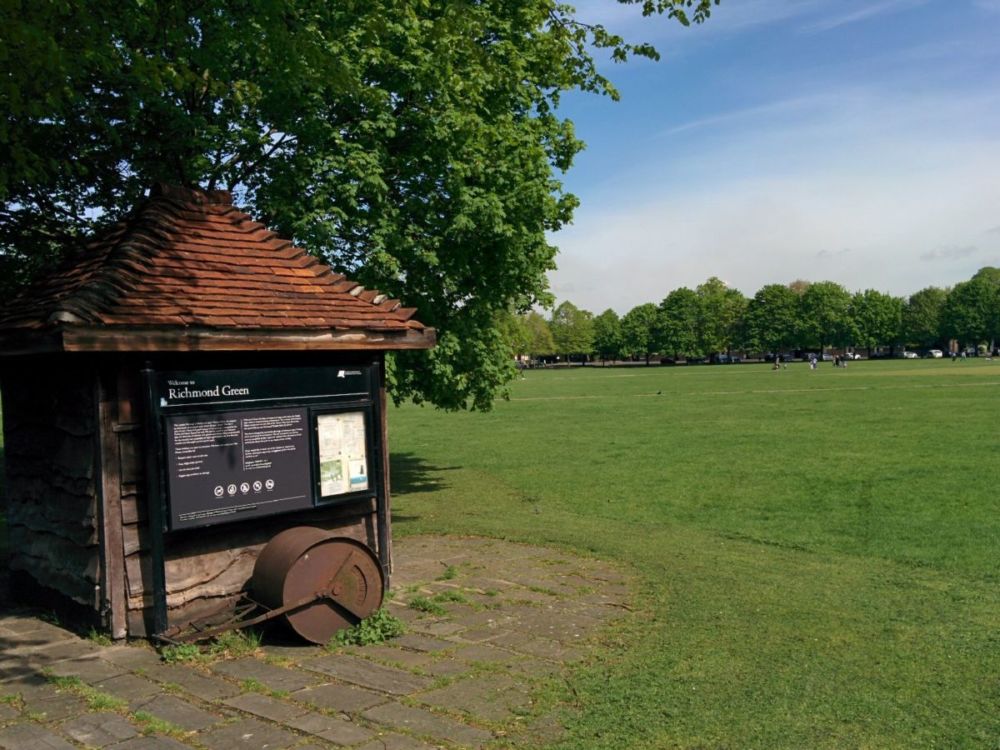
I took a different route from the station to the Thames; this time, a pleasant stroll through Richmond Green:
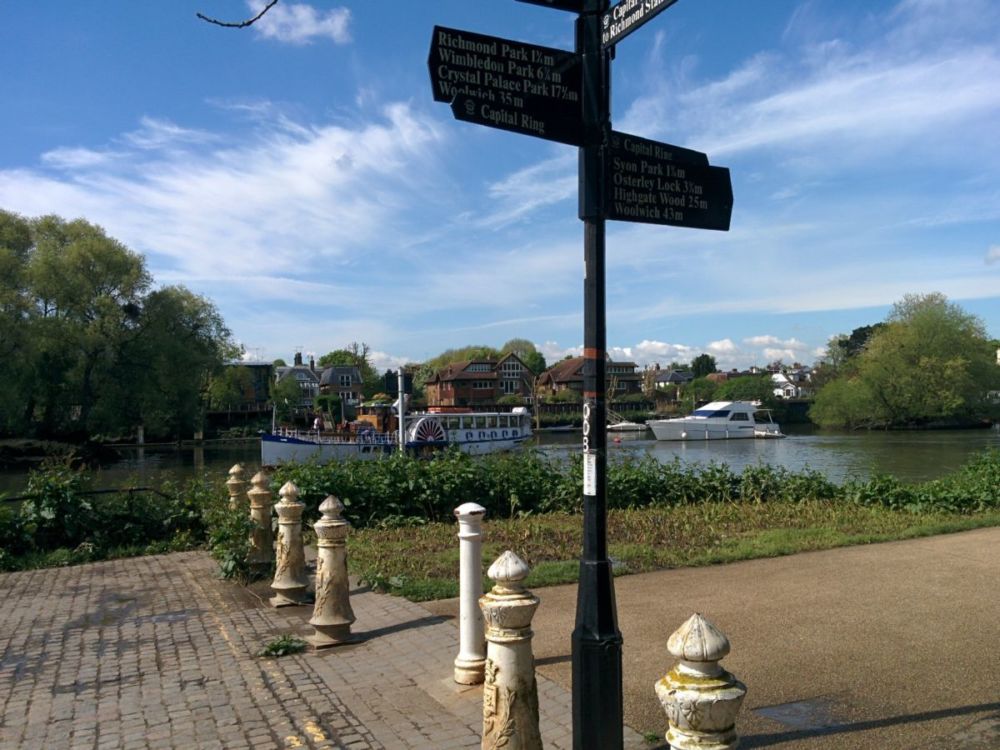
The Thames was soon reached, complete with fake paddle steamer:
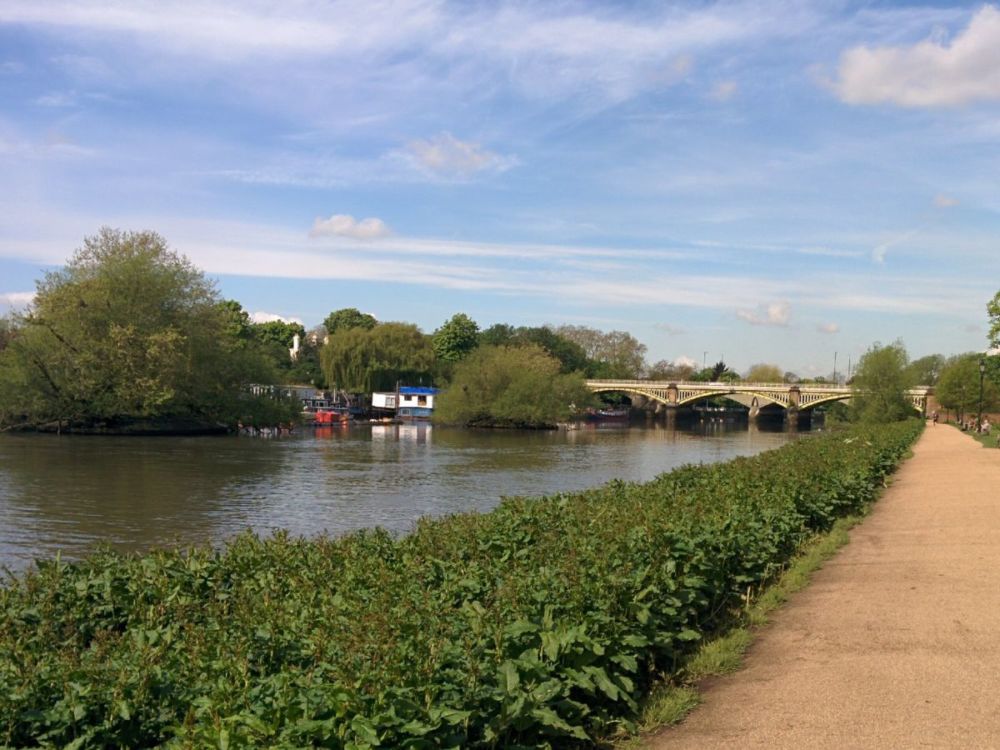
and the pretty Twickenham Bridge:
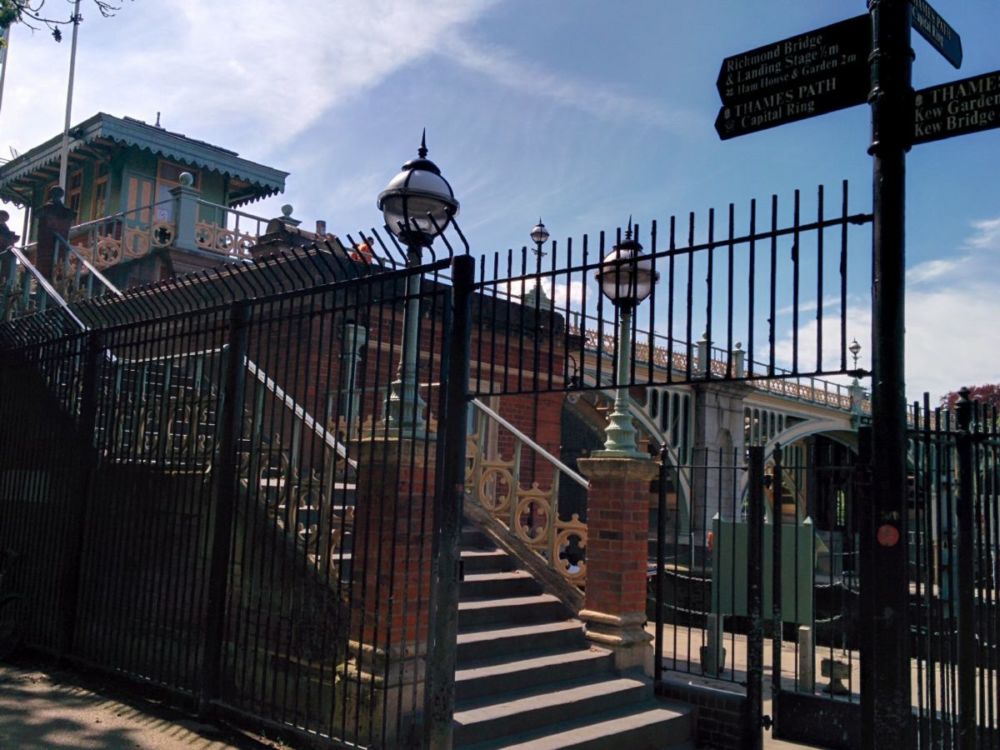
The path continues past the Old Deer Park to Richmond Lock (with another impressive bridge):

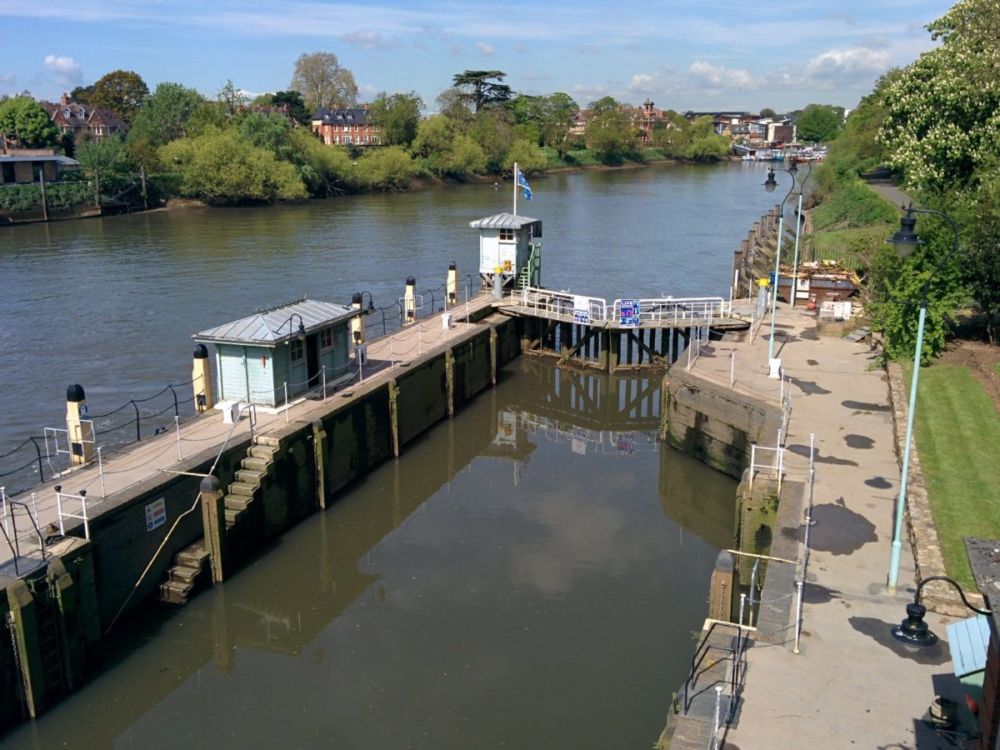

A nice path continues along the Thames:

But slightly further on, this was diverted away from the river due to building work. Some directions would have helped here!
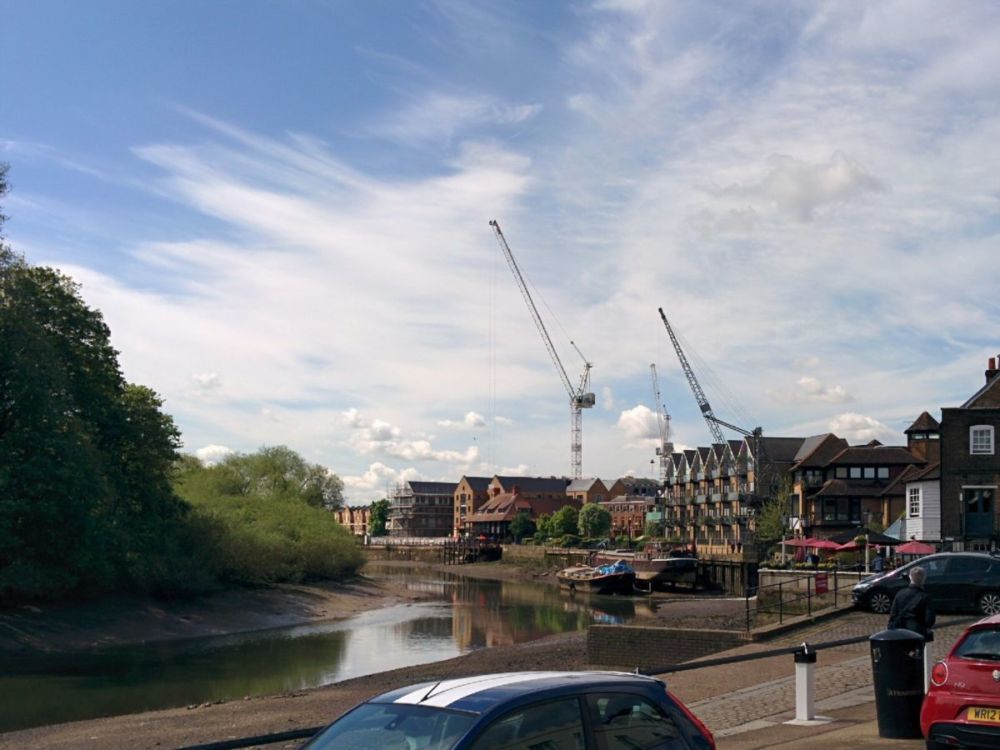
Then we’re into Syon Park:
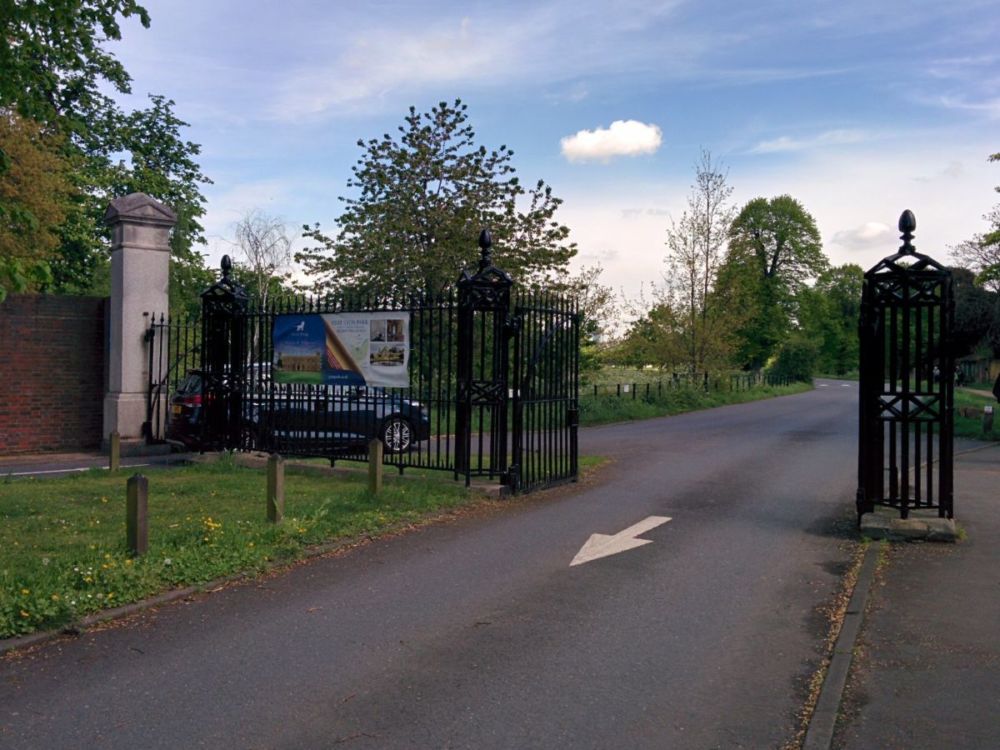
The peaceful tranquillity is interrupted by being right under the Heathrow flight path:

But it does have a nice house:

“Syon Park is the 200 acre London estate belonging to the Duke of Northumberland. The first Duke and Duchess of Northumberland redesigned the estate and commissioned the famous 18th century Scottish architect, Robert Adam, to remodel the interior of the existing house. The result was one of the finest interiors created by Adam with grounds laid out by Lancelot ‘Capability’ Brown, the equally celebrated landscape designer.”
Brentford Lock (on the Grand Union Canal) is soon reached from the other side of the park:
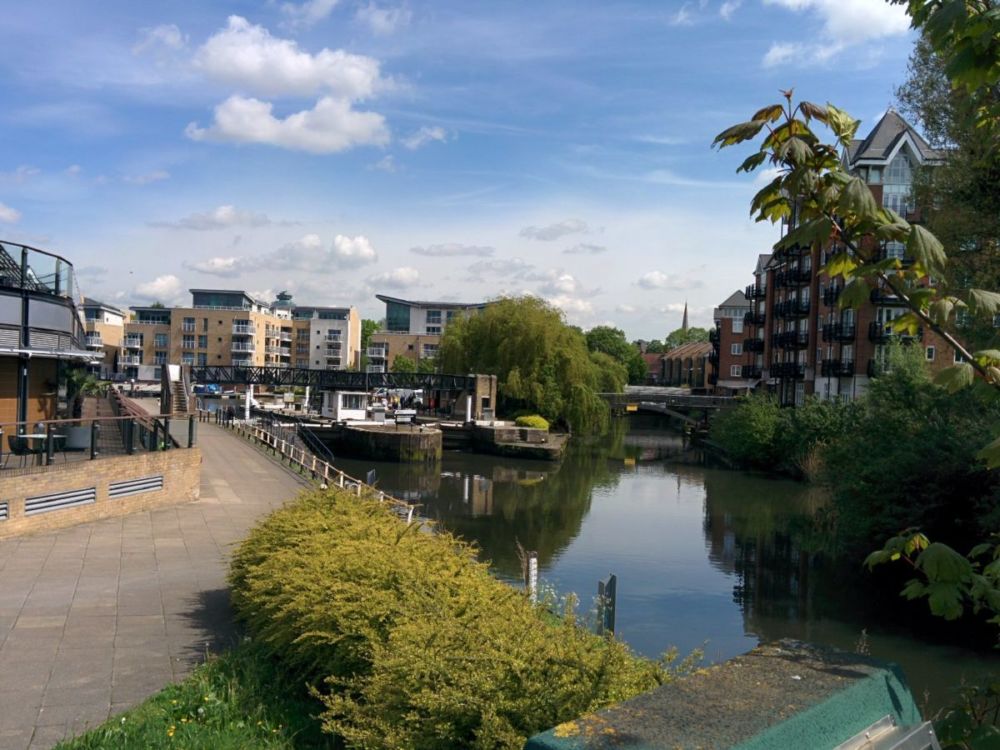
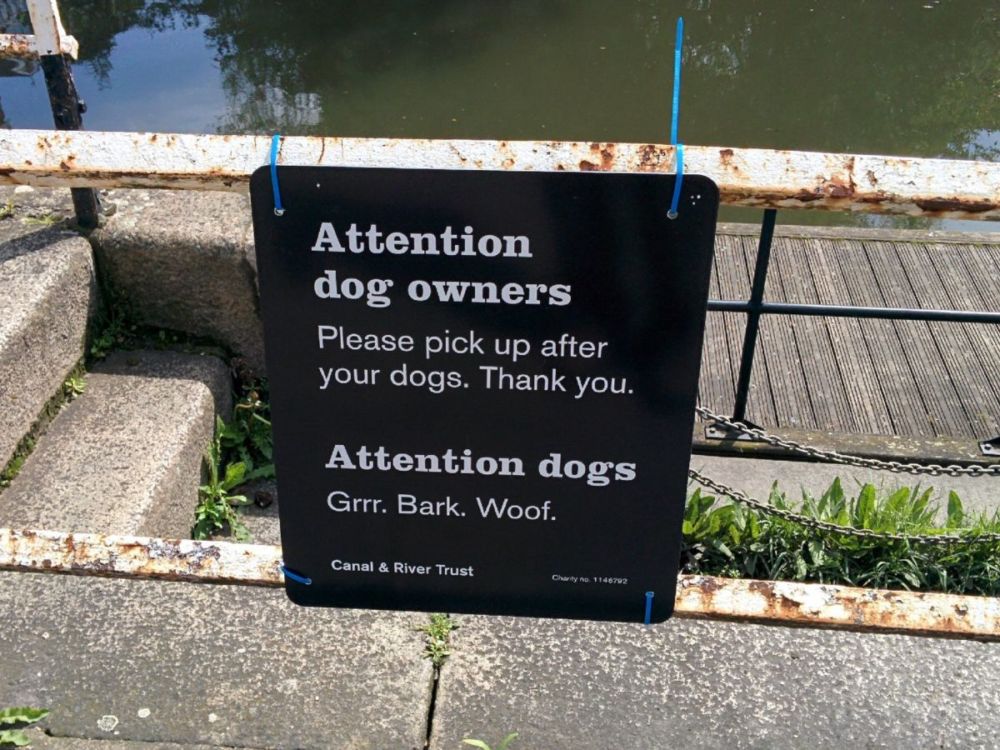
with a neat sign:
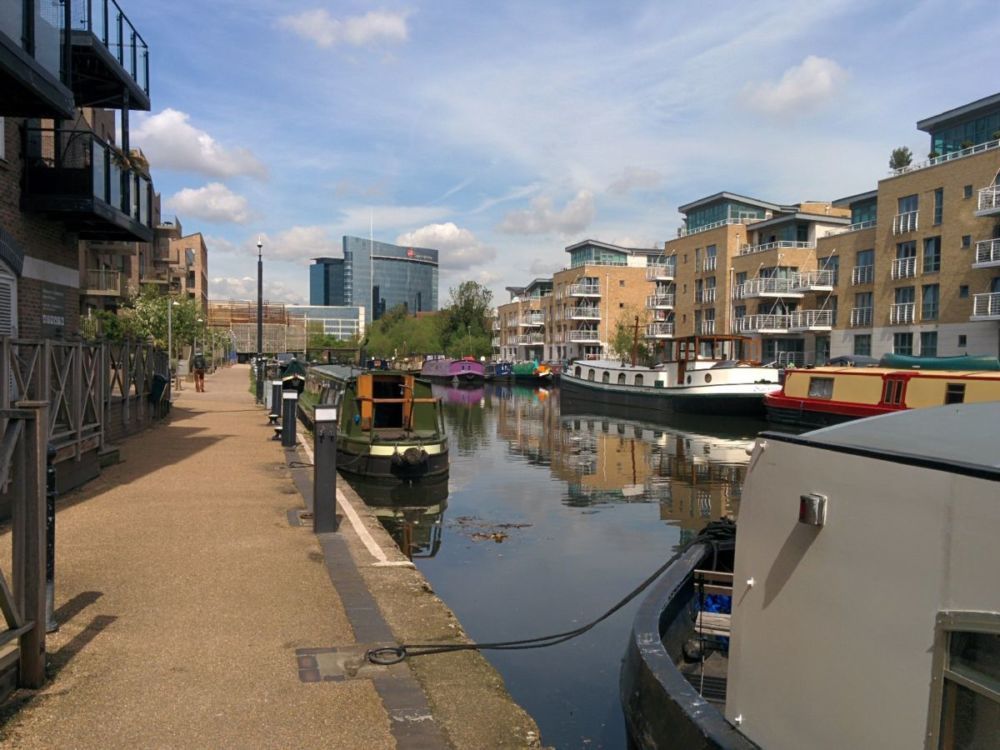
and the usual packed London canal moorings:
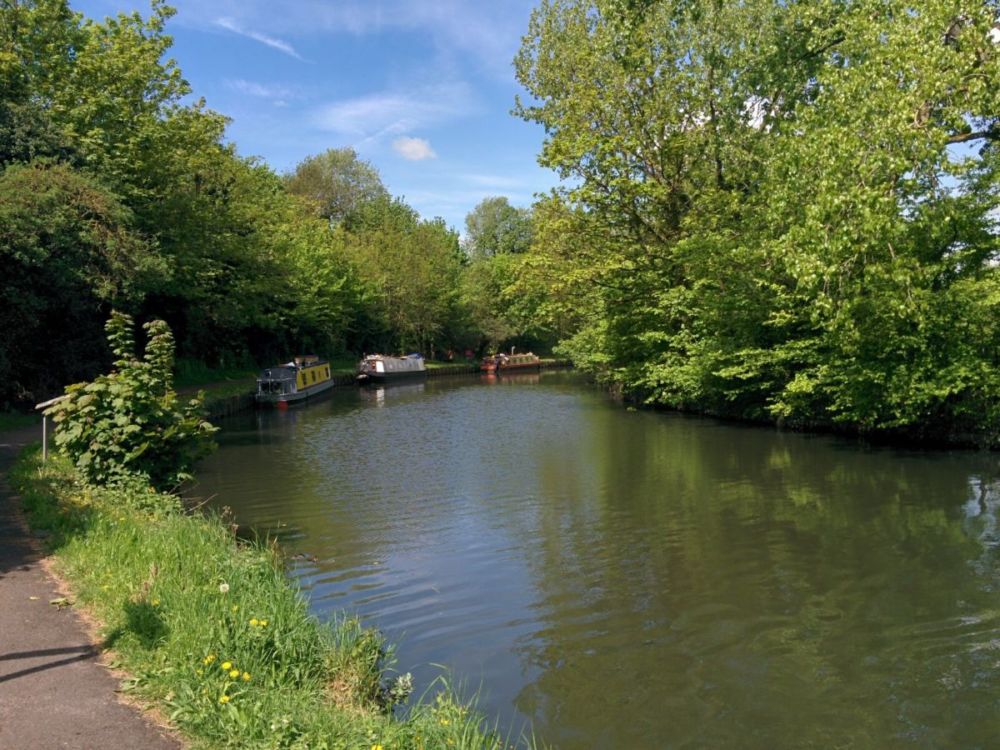
After a while, we’re back in the country:
and across a lovely cast iron bridge:
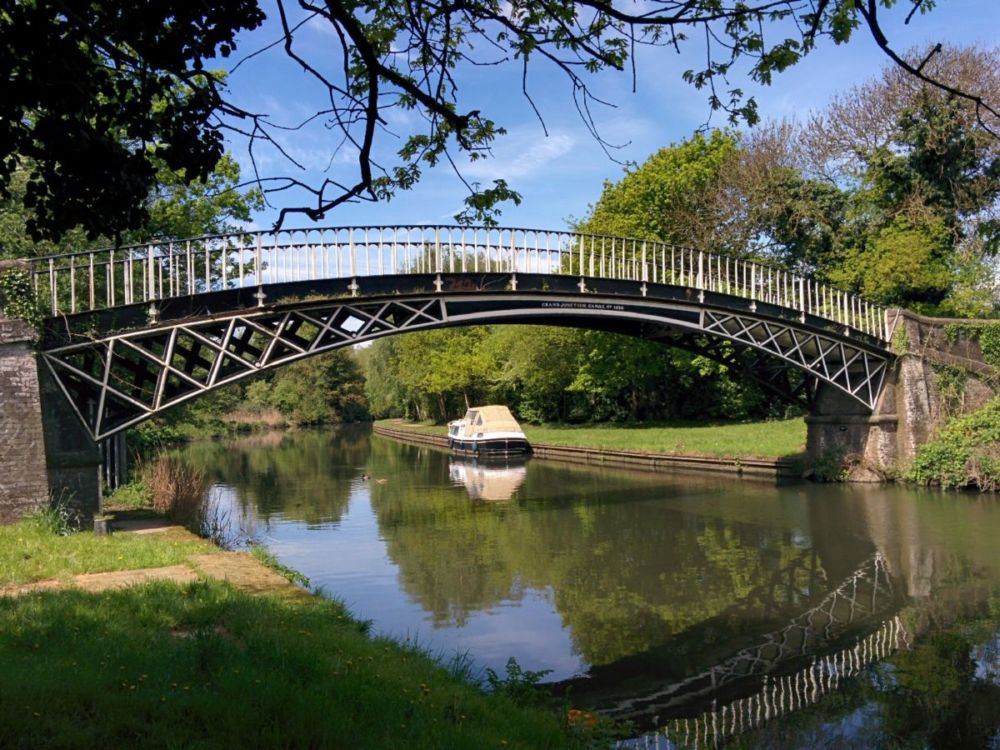
“The bridge has ‘Grand Junction Canal’ written on it, which was the original name before it became part of an amalgamation of canals in 1929, now known as the Grand Union Canal.”
But all too soon, the M4 passes overhead, with all the attendant noise:
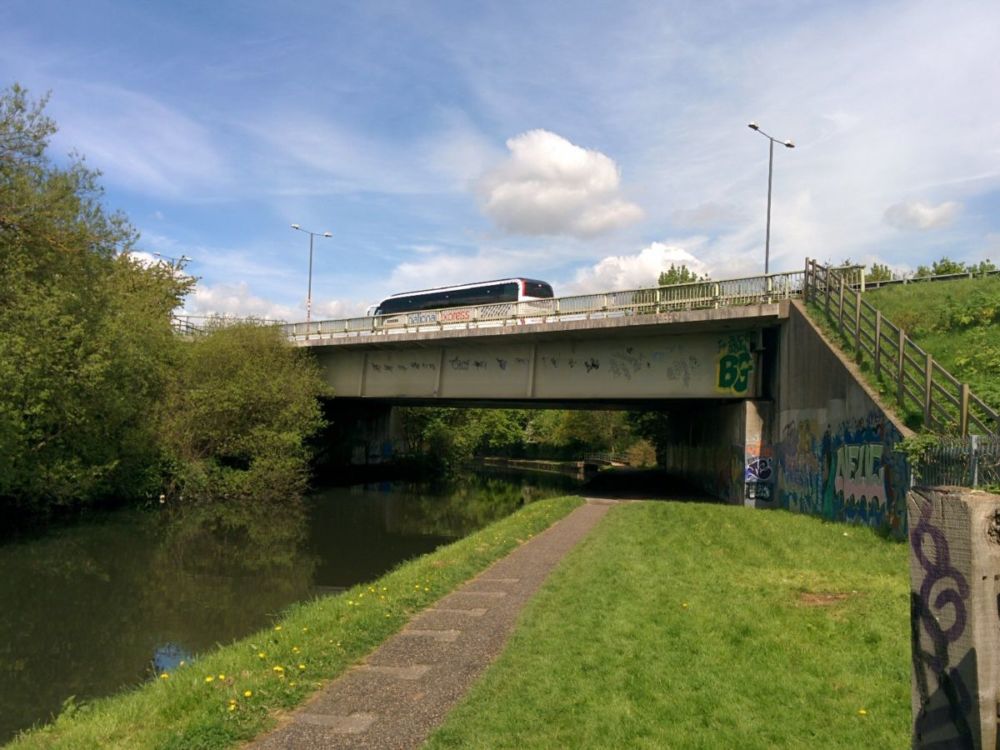
This is the end of Section 7.
Osterley Lock is soon reached:
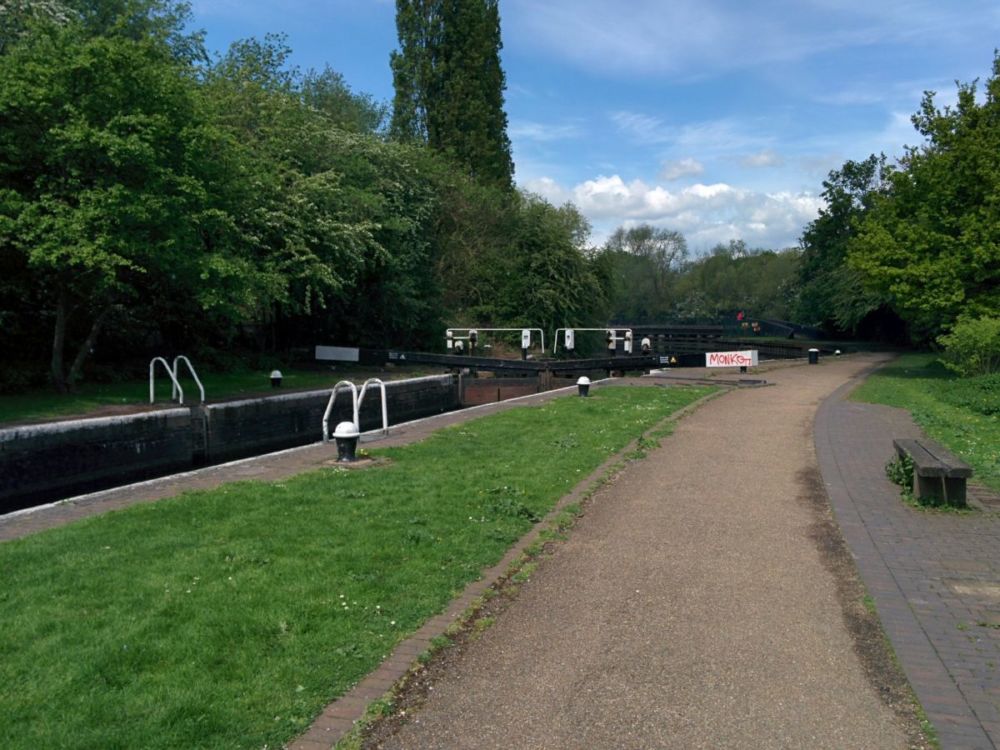
with some pretty bluebells in an adjacent wood: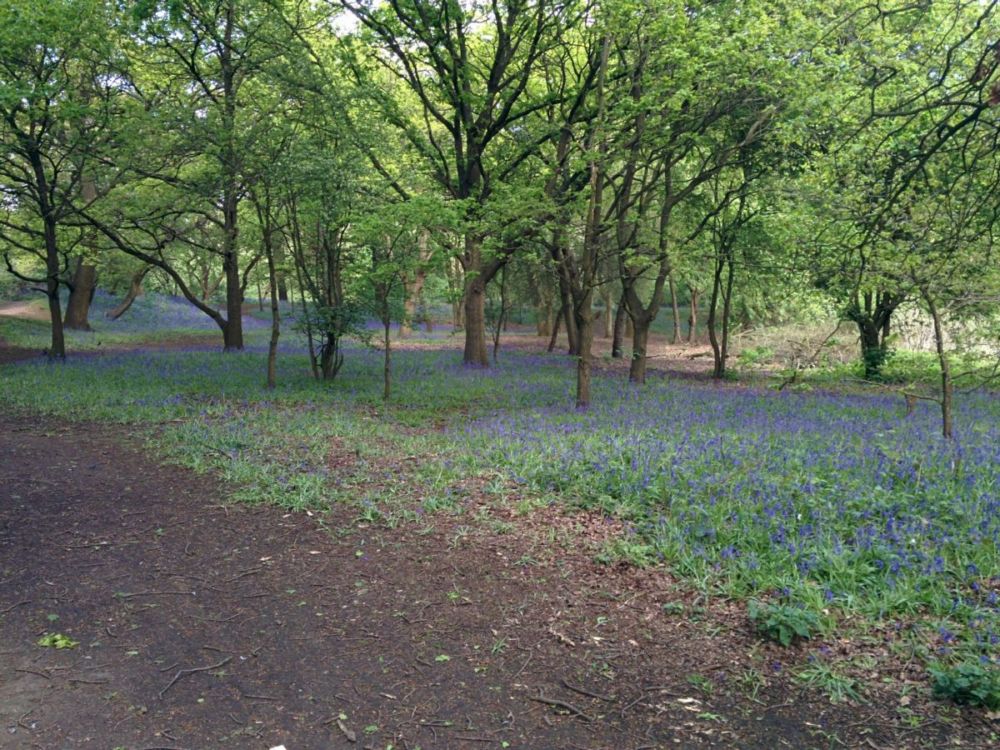
I took a detour along a nice path that climbed up above the canal through Elthorne Park:

then shortly rejoined the towpath:
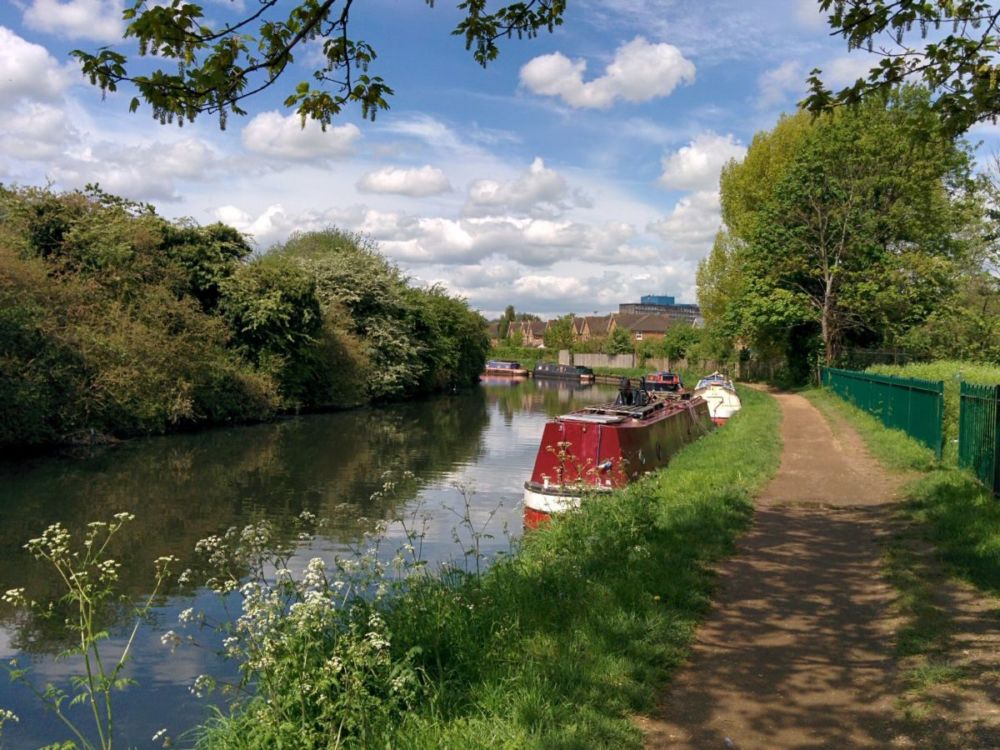
Then reached Hanwell Lower Lock:
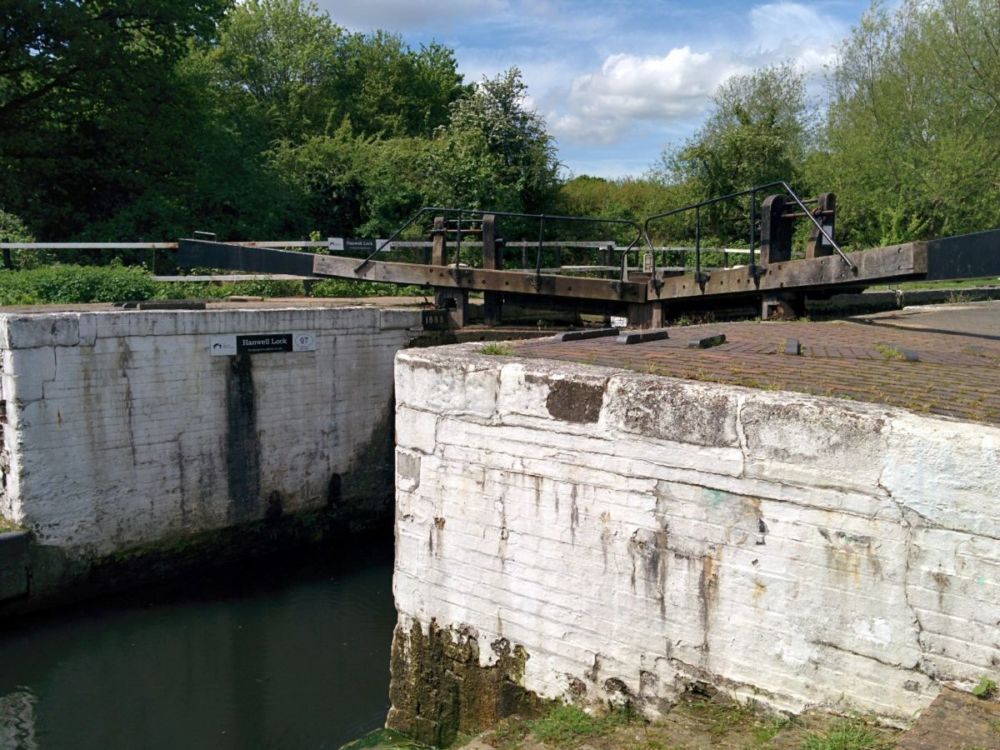
The Capital Ring route diverges here, but it was worth looking at the other locks in the flight first:
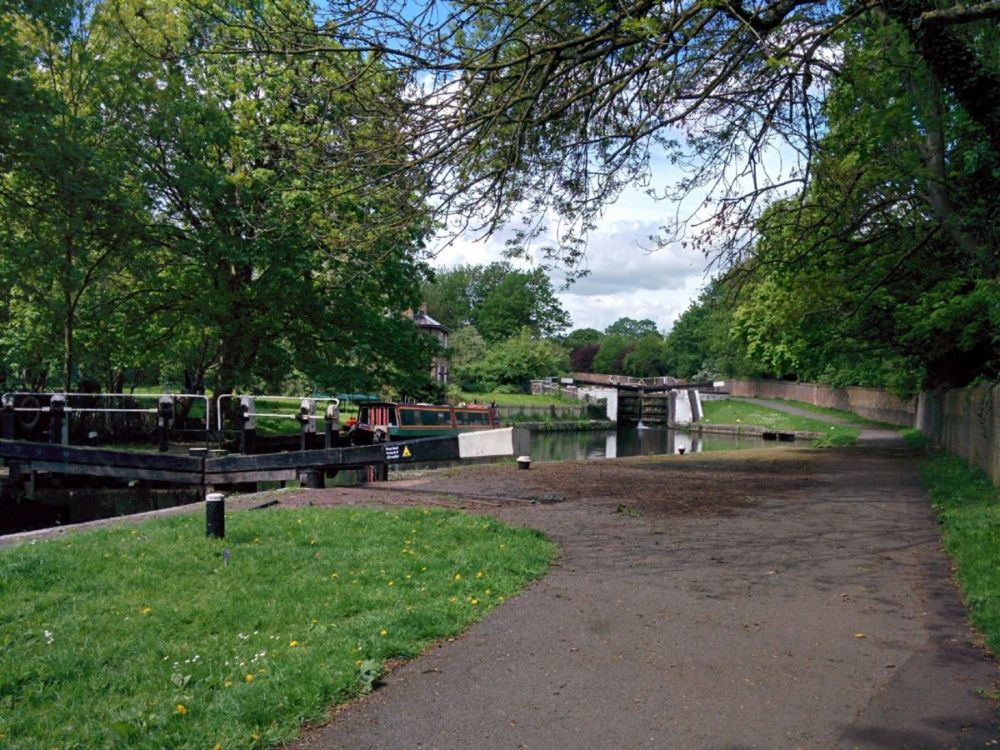
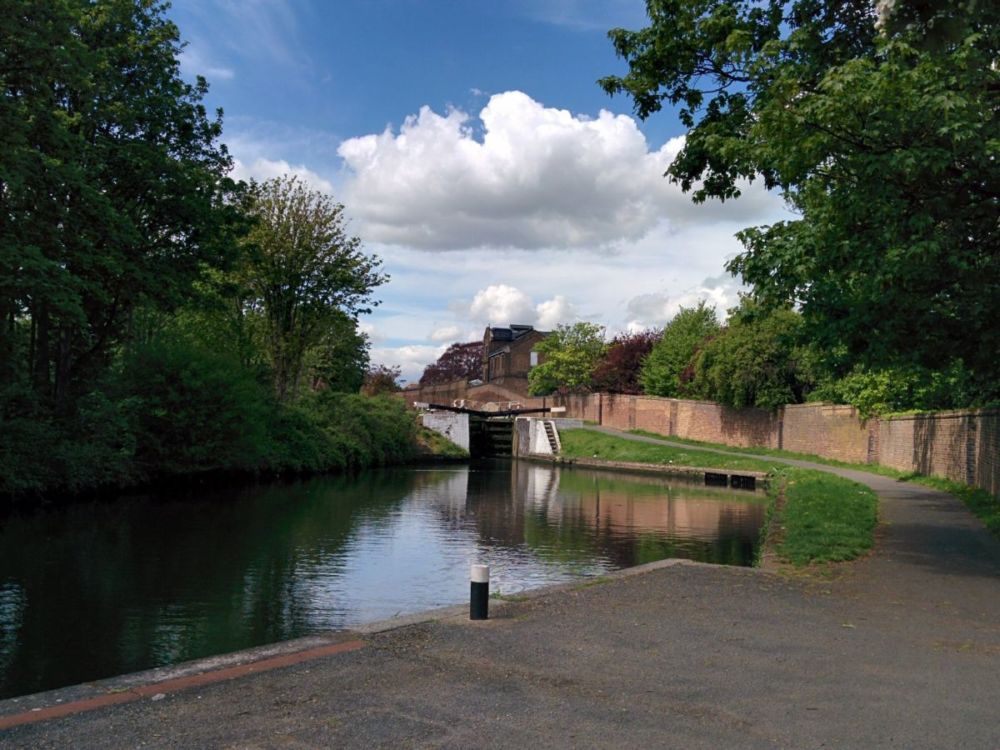

“There are six locks altogether in the Hanwell flight, taking the canal up 16 metres in a third of a mile. After 600 metres is the historic stone Hanwell Bridge. There has been a bridge at this point since at least the 14th century, but the present bridge dates from 1762, with several later widenings.”
At this point, I was within 2 miles of Bull’s Bridge Junction on the Grand Union, which I passed in 2016 doing the London Loop Walk.
The Capital Ring path then follows the River Brent:
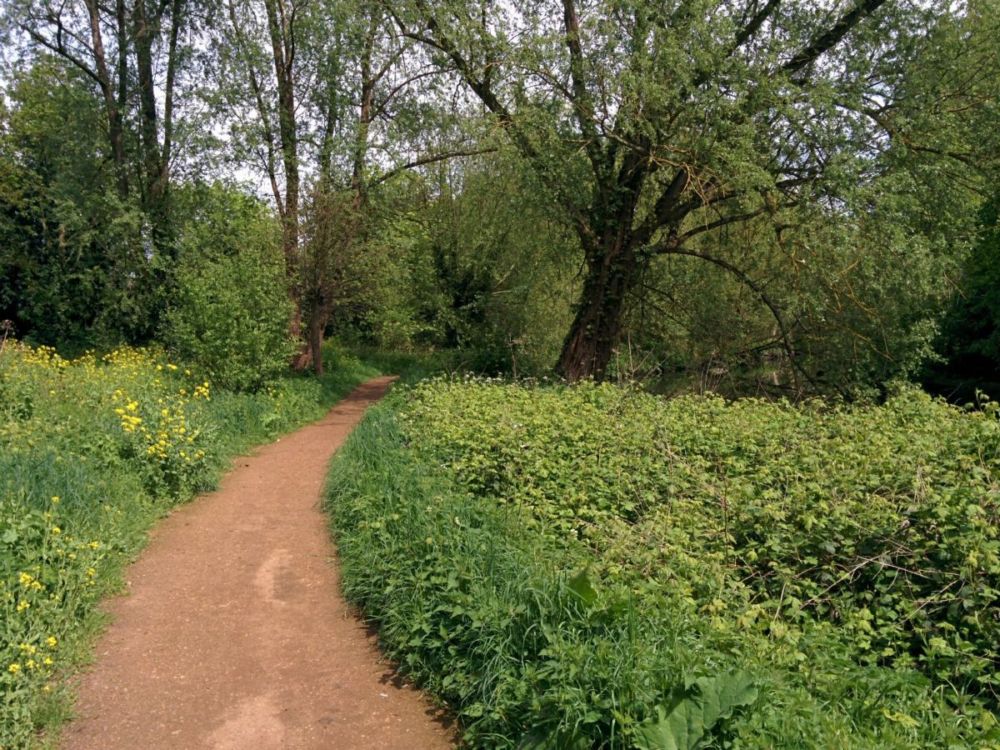
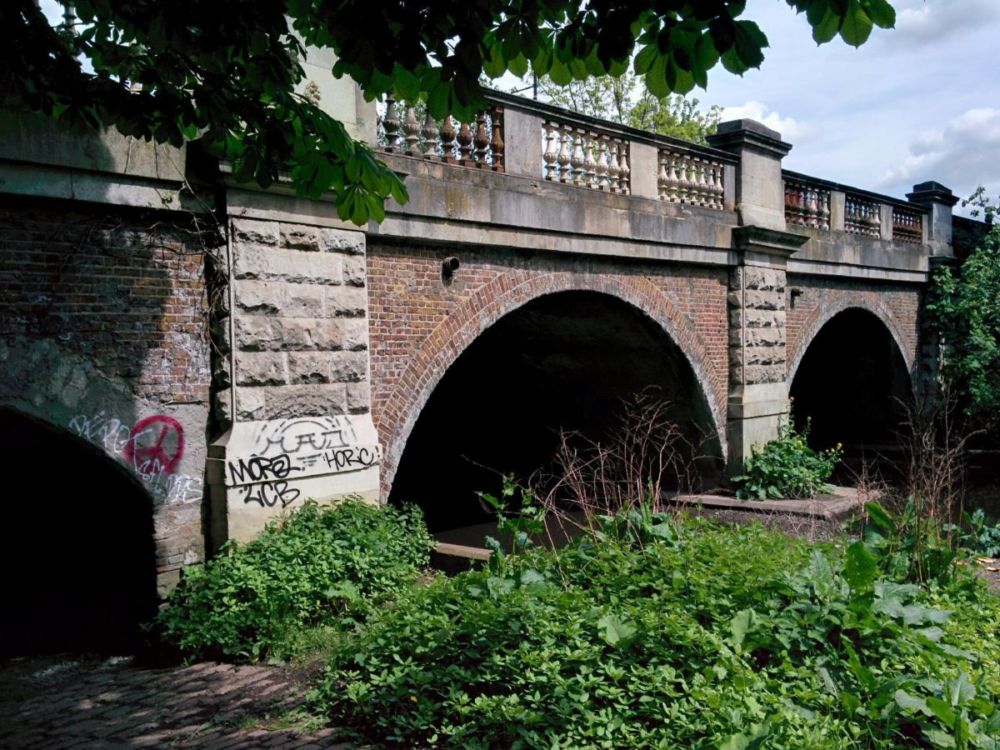
under Hanwell Bridge:
then on to meadows and the dramatic Wharncliffe Viaduct:
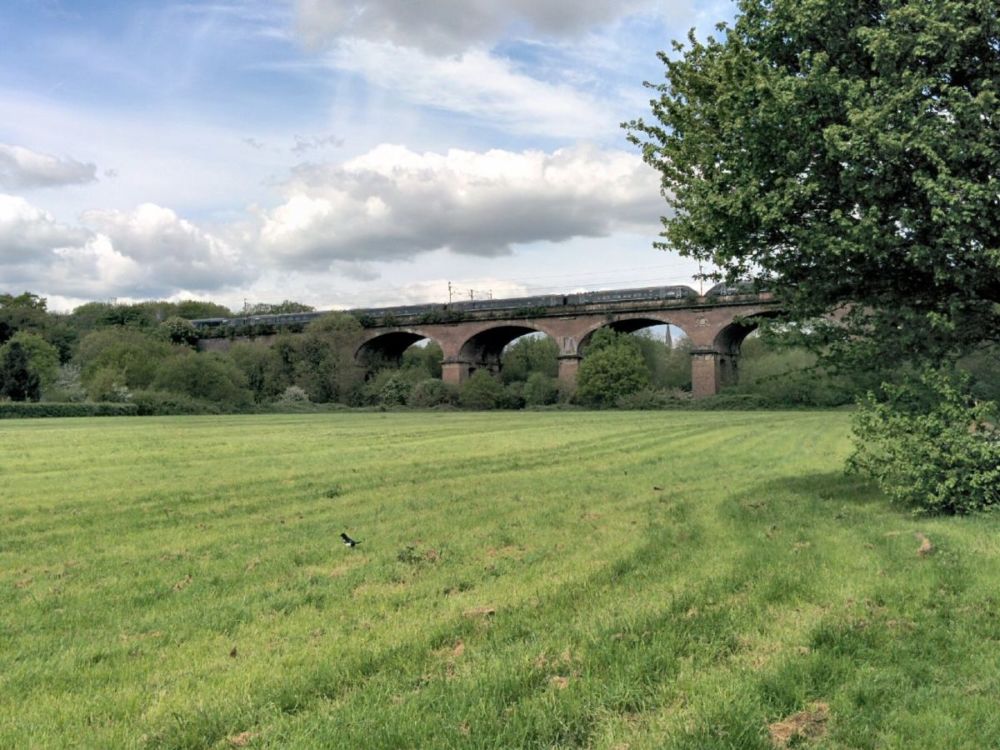
“The viaduct was built in 1838 by Isambard Kingdom Brunel, the great Victorian engineer, to carry the Great Western Railway from London to Bristol. It is named after its sponsor, Lord Wharncliffe, whose coat of arms can be seen at the centre. Queen Victoria had her royal train stopped on top so that she could admire the view.”
It was then a short walk to Hanwell Station, a train to Paddington, tube to Trafalgar Square and a fast train to home to Orpington.
6.5 miles of excellent Capital Ring walking today and 1 Geocache found.
For more information on the Capital Ring, see https://tfl.gov.uk/modes/walking/capital-ring
The weather has finally warmed up enough for me to continue the Capital Ring Walk.
It’s an easy and fast journey via Waterloo to Earlsfield Station, where I finished last December. Outside the station, it’s usual London busy traffic:
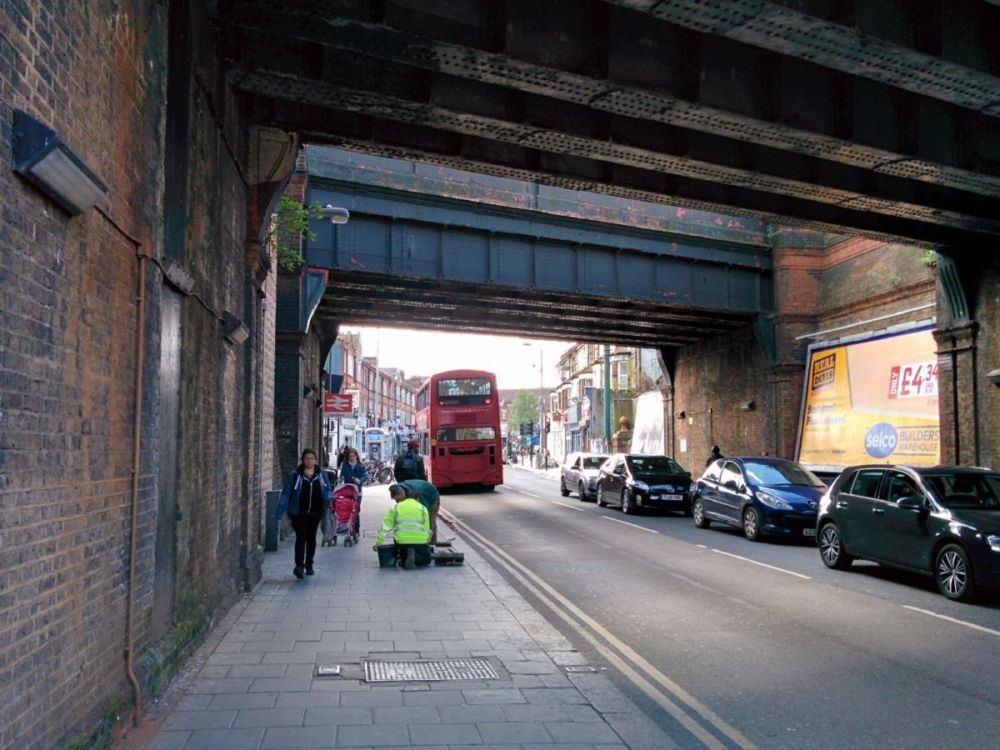
But suburban roads are soon reached, then the route crossed the River Wandle:
 “The Wandle, which gives its name to Wandsworth, is one of the fastest flowing rivers in the London area with a drop of 200 feet in just ten miles. It powered many watermills which produced flour, metal, leather, paper, textiles and even gunpowder.”
More streets, then Wimbledon Mosque (built in 1977):

Then on to Wimbledon Park Underground station and the end of Section 5:
Wimbledon Park itself isn’t far away:
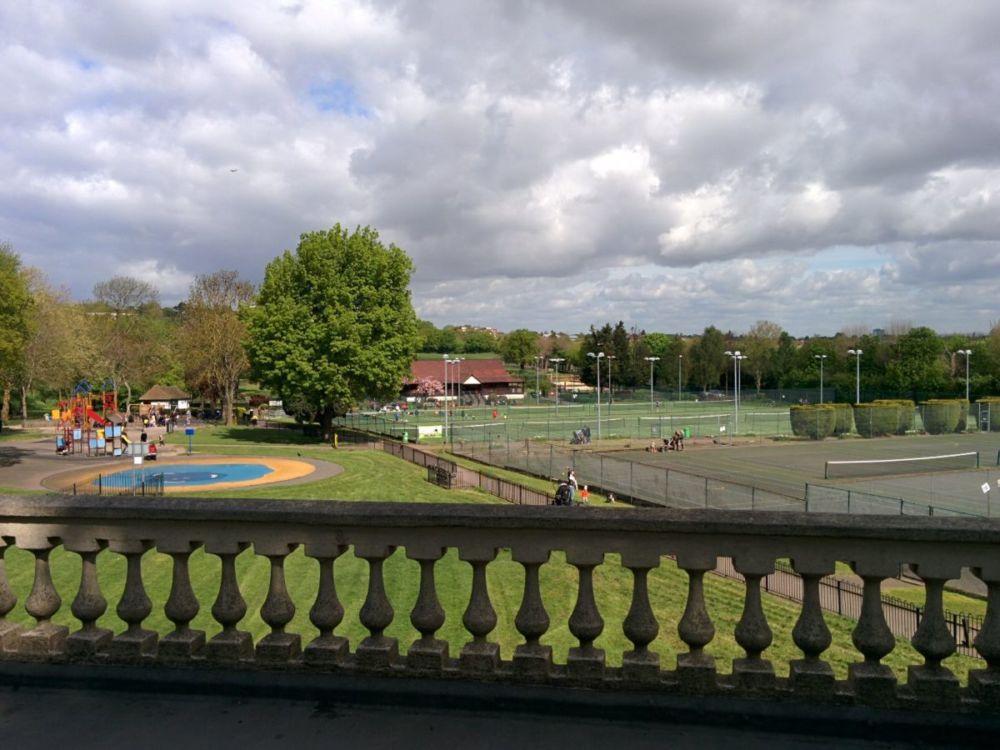
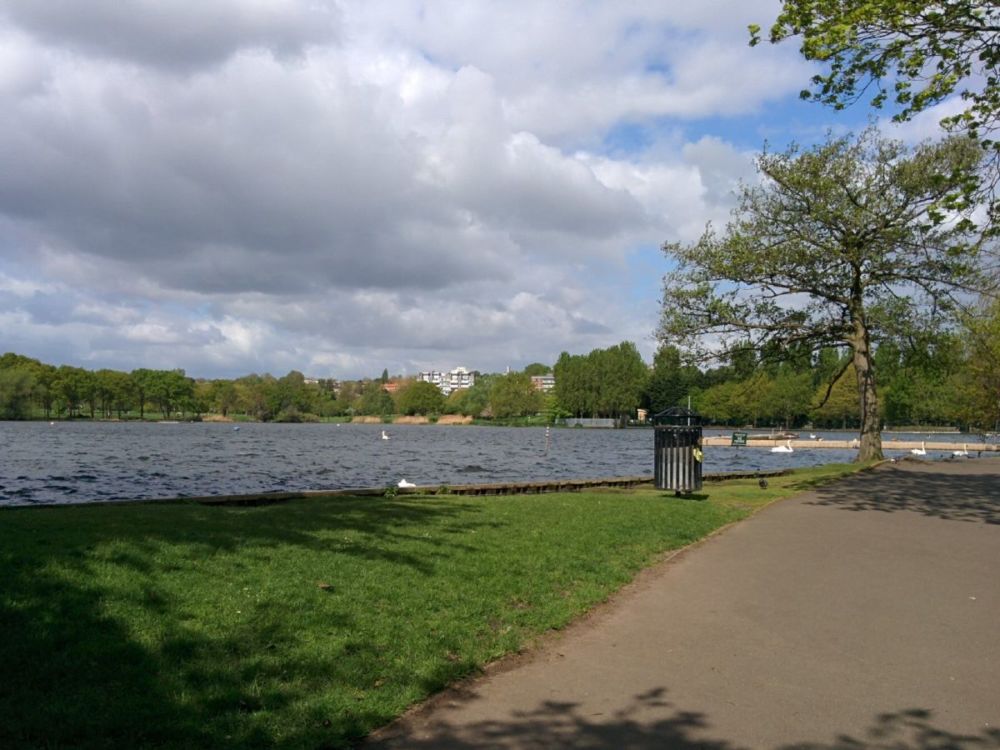
“Wimbledon Park dates from the 16th century; then it formed part of the extensive grounds of the earliest Wimbledon Manor House and was used for deer hunting and hawking. It is more famous for its modern use, as across the lake you can see the All England Lawn Tennis and Croquet Club.”
All too soon, it’s back to suburban streets, albeit leafy and posh: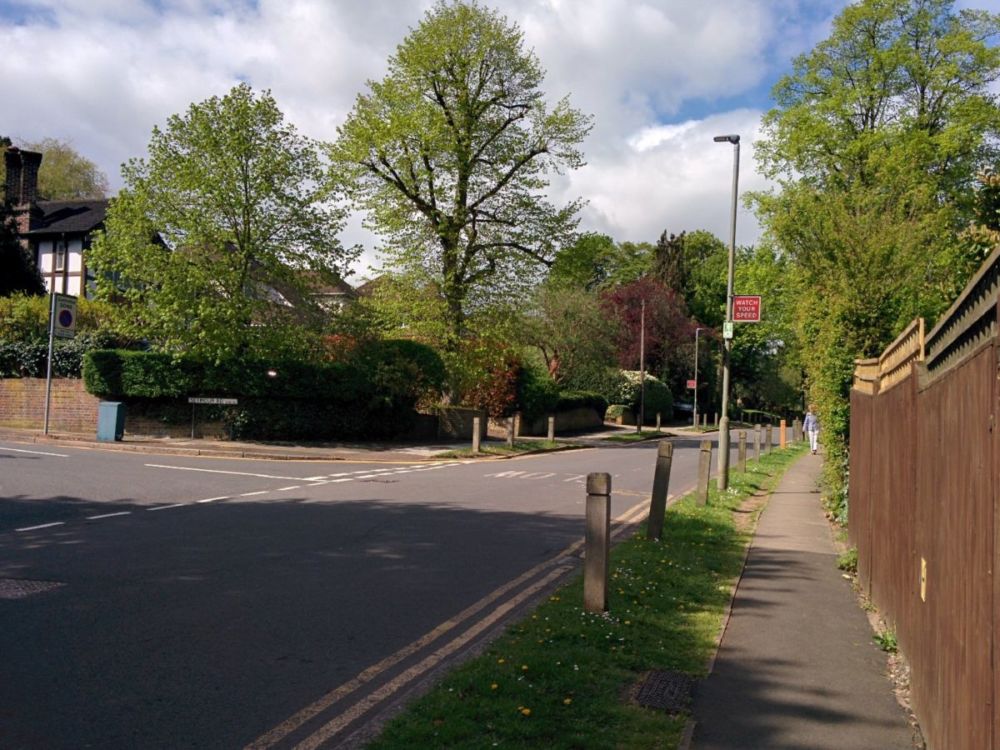
A busy road crossing leads to the countryside of Wimbledon Common: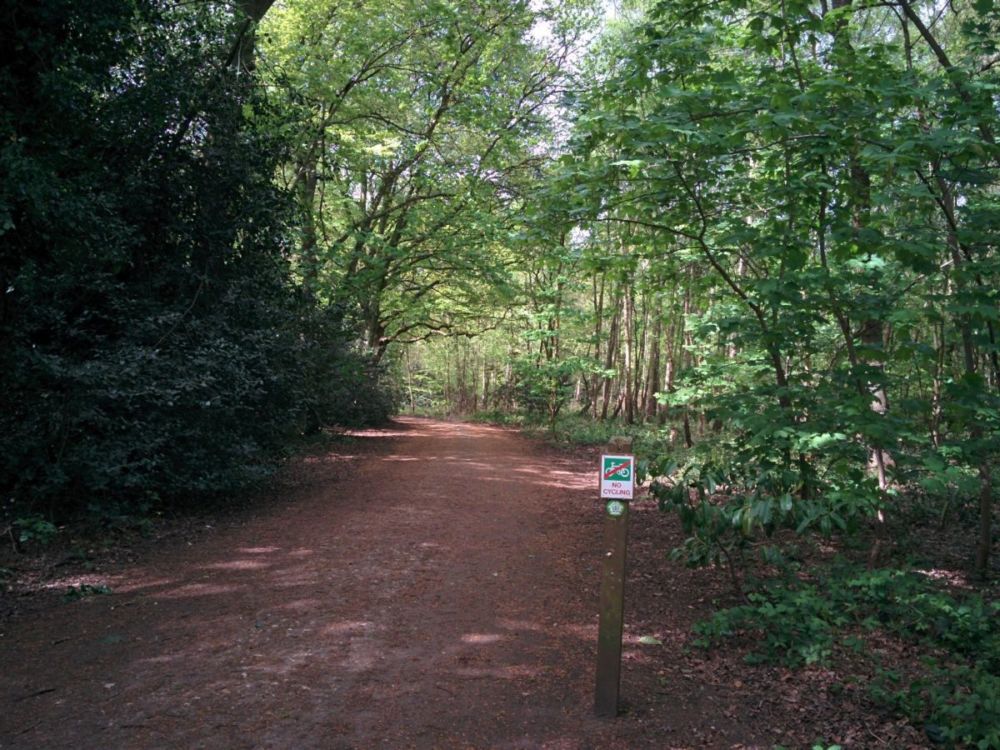
With its famous Windmill: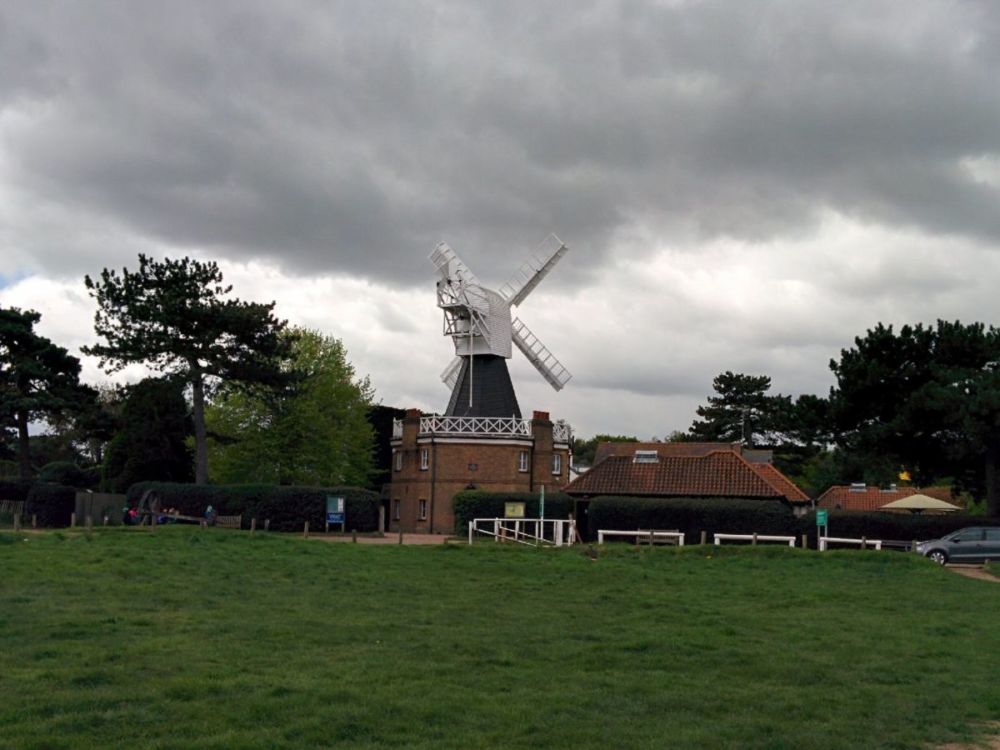 “Wimbledon Windmill is the last remaining hollow post flour mill in the country. In this unusual design the main body of the mill, with all its machinery, turned on a central post, through which a hole was bored for a drive shaft taking power to the machinery.”
And once some golfers had been dodged, Queensmere Lake: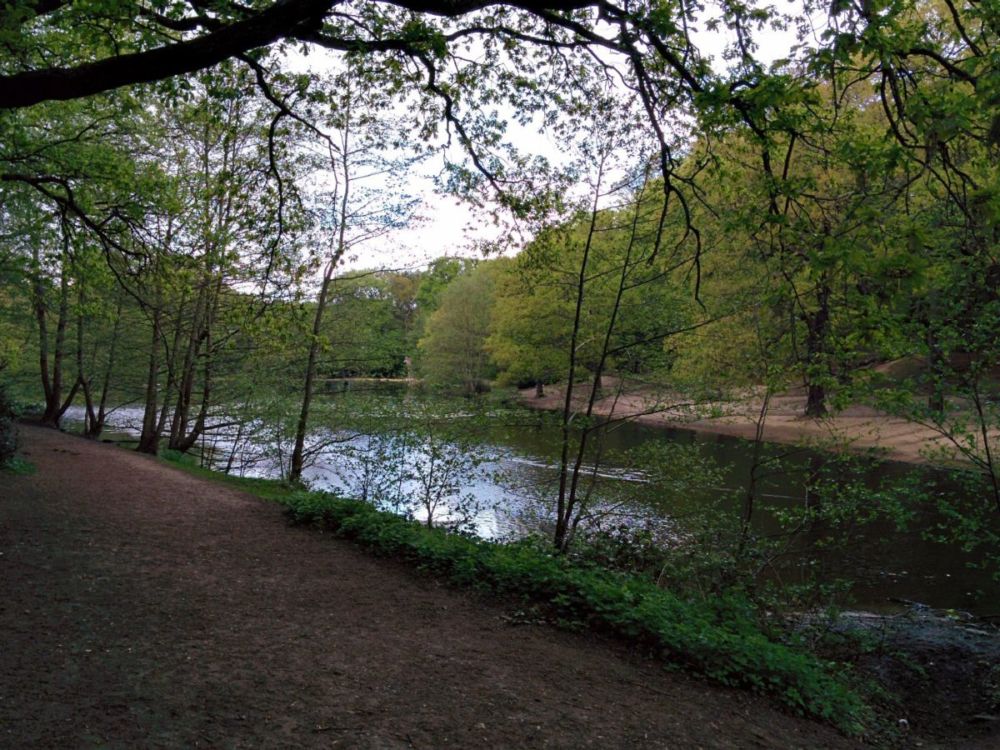
Crossing the A3 was the next challenge, with a combined pedestrian/cyclist/horse crossing: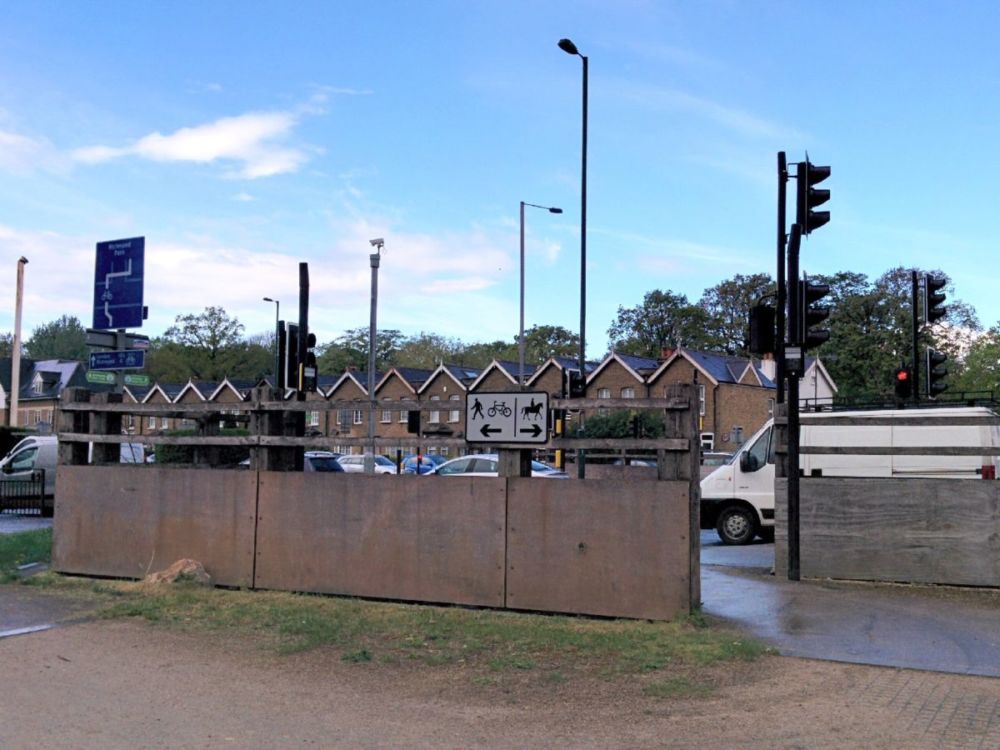 Notice the conveniently high push button on the right for the horse riders!
Then we’re into Richmond Park: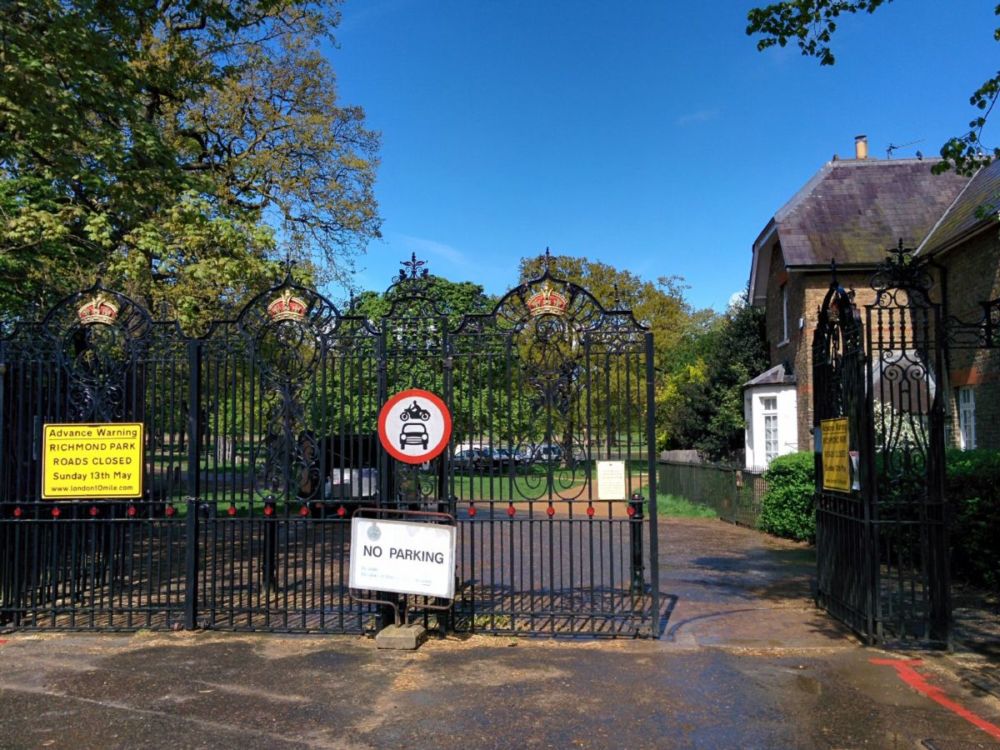 “Richmond Park is London’s largest Royal Park, covering 2,500 acres. It is a national nature reserve and has been designated as a Site of Special Scientific Interest; it is also Europe’s largest urban park. It has some ancient trees with the oldest oaks some 700 years old.”

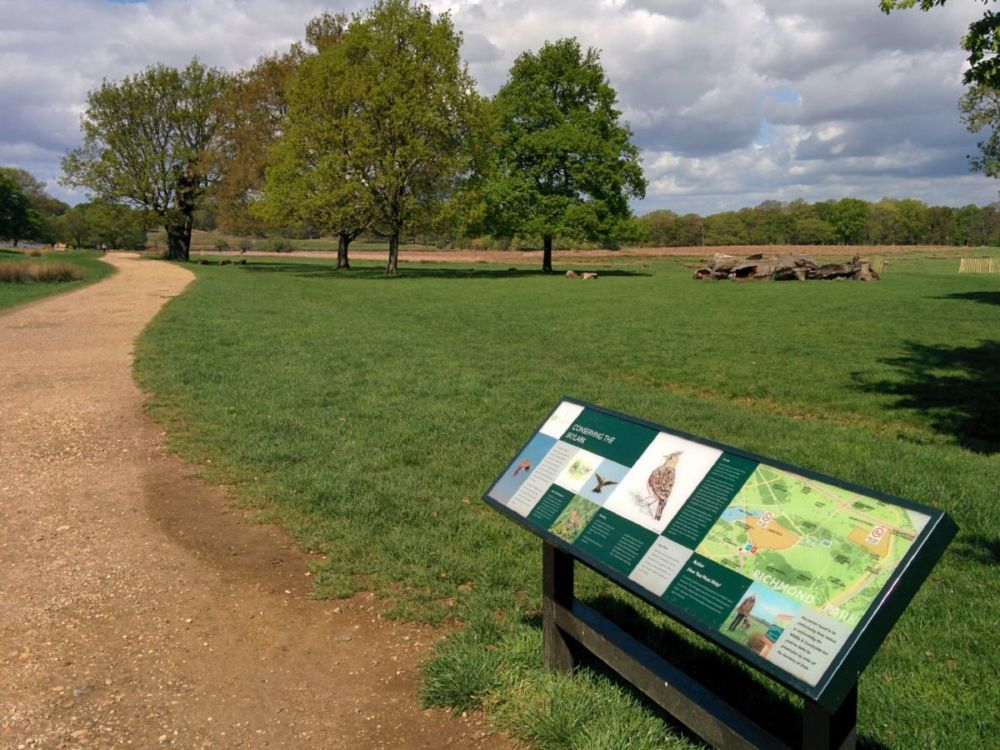

Including a “Very Old Hollow Oak Tree” with its own fence: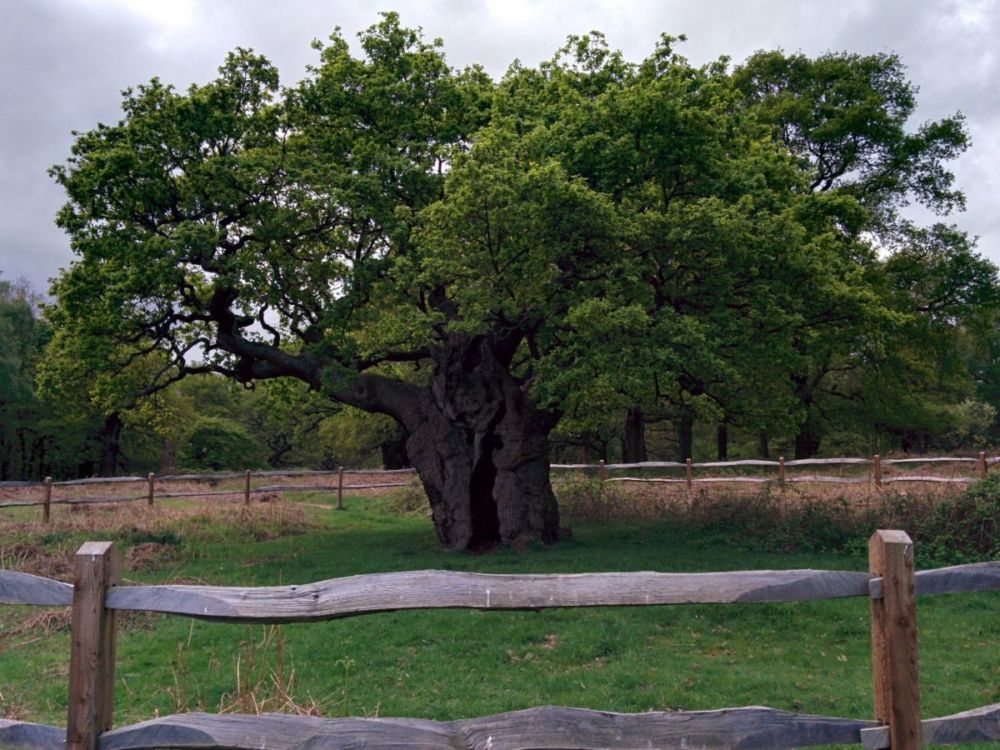
And a few deer sheltering under a tree:
A short detour leads up to King Henry’s Mound, with extensive views to the west: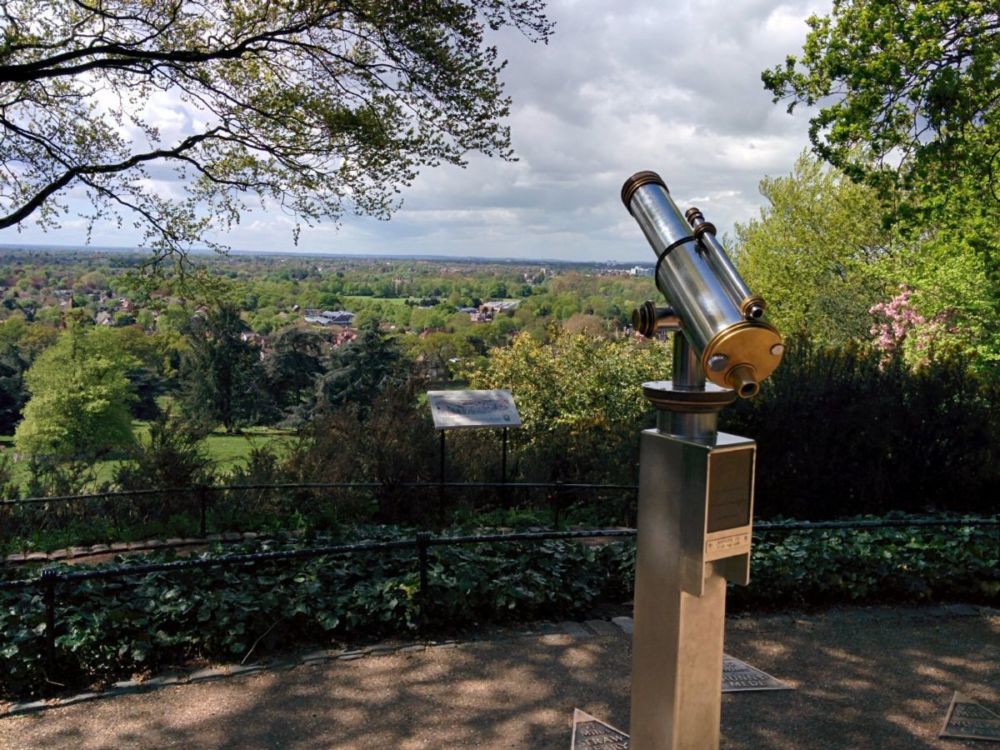 “Henry’s Mound is actually a barrow or burial mound, but legend says that Henry VIII stood here in 1536 waiting for a flare that would tell him that Anne Boleyn had been executed and he was free to marry Jane Seymour. From the top of the mound you can see St. Paul’s Cathedral through the telescope. This is a protected view – no tall buildings can be built to obscure the view of St. Paul’s Cathedral, 12 miles away.”
If you click on this image, and look VERY closely, you can just see the white blob of St Paul’s Cathedral framed by the trees (it was clearer through the telescope!):
The route then drops down towards the River Thames: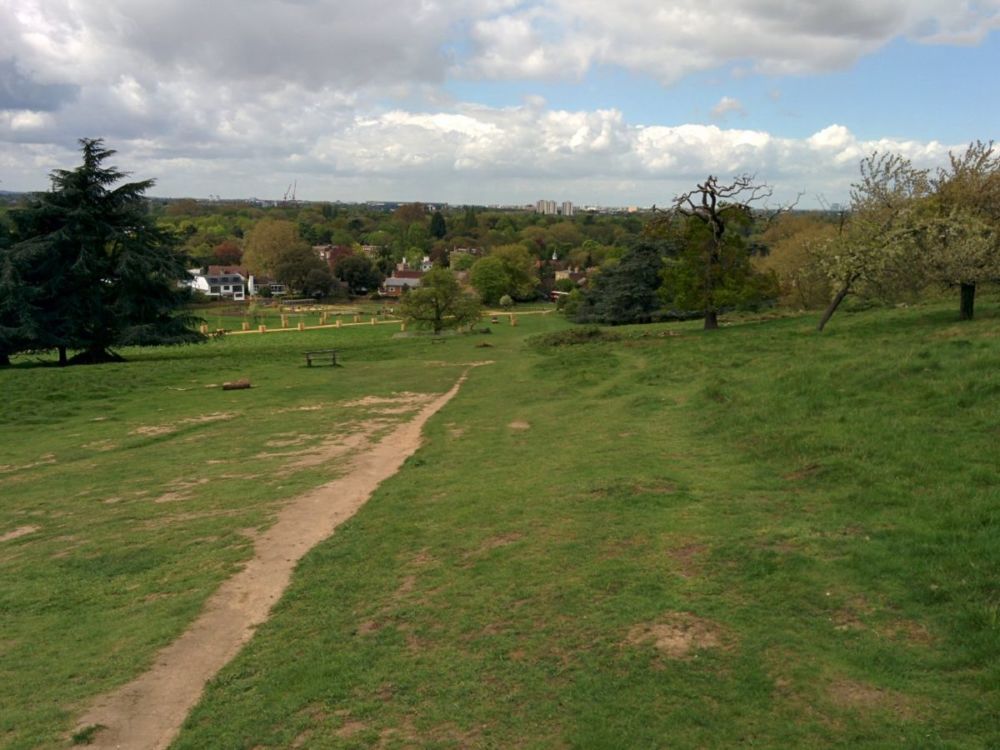
and a footpath leads to Petersham Meadows, with boats in the background:
Then to the Thames Towpath itself and Richmond Bridge:
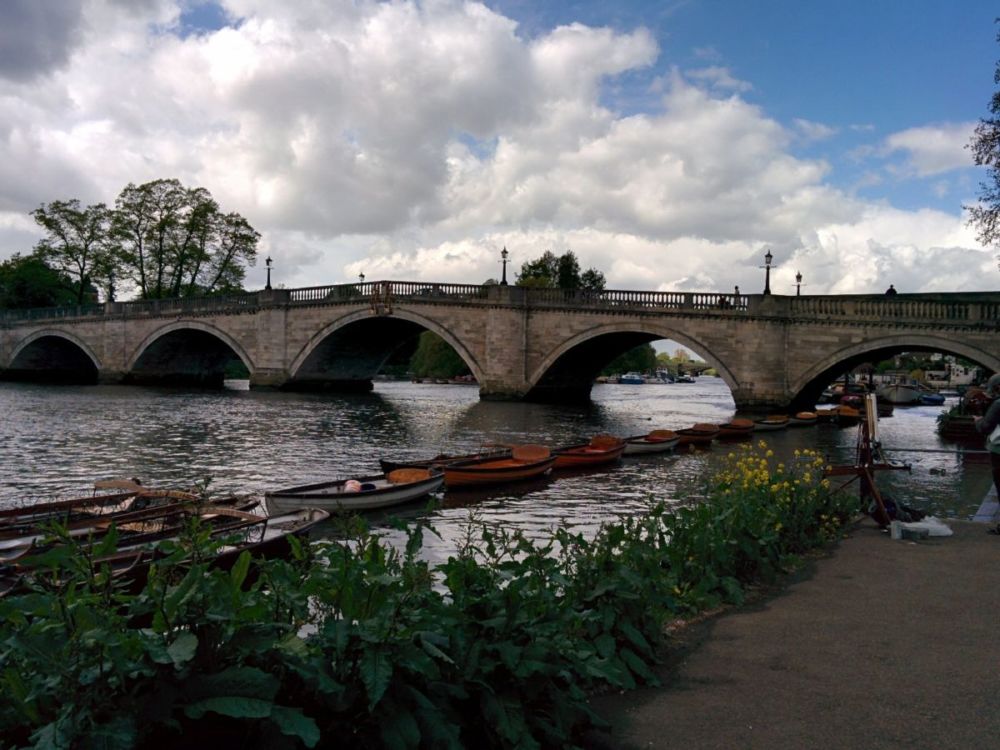
It was then a busy walk through Richmond to the station, and two trains home.
It was certainly nice having a Capital Ring walk that was mostly not on pavements or tarmac!
8.5 miles of Capital Ring walking today and 1 Geocache found.
For more information on the Capital Ring, see https://tfl.gov.uk/modes/walking/capital-ring
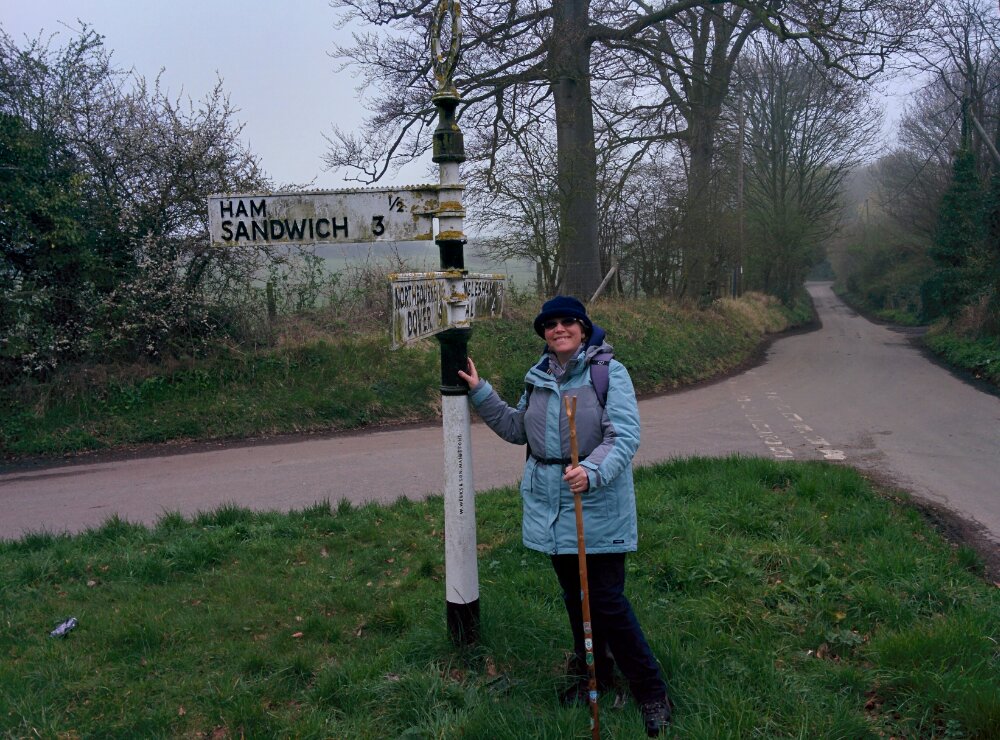
Well, famous locally…
Another day, another pub…
We’ve walked from the cottage to Finglesham, and are currently in the Crown Inn.
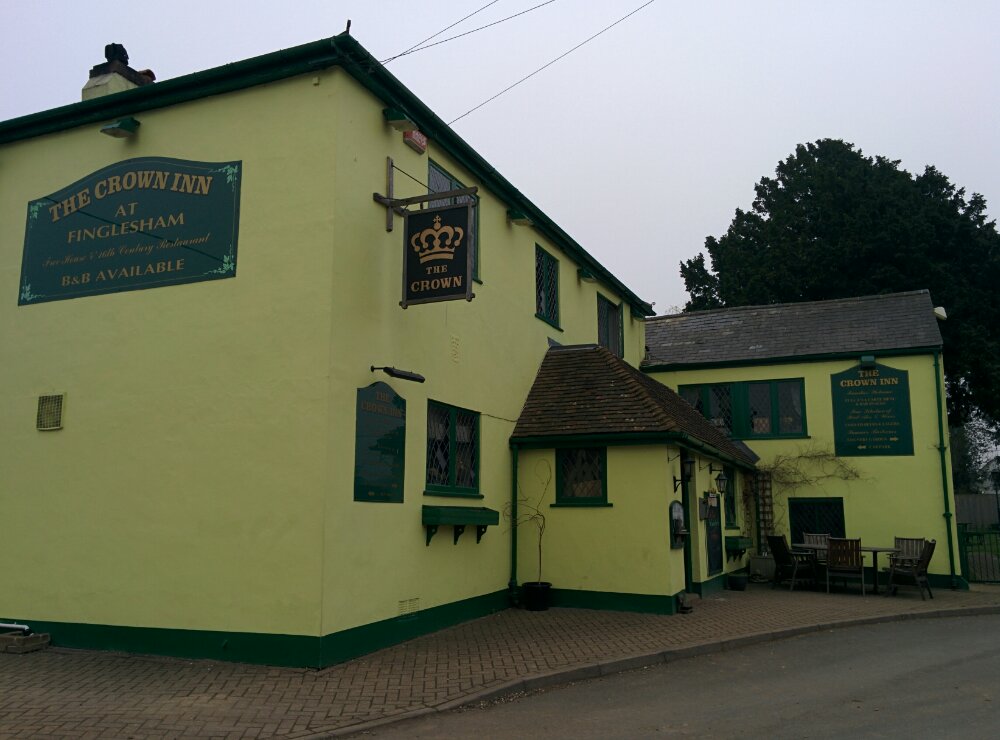
It’s a lot nicer inside than the colour of the paint would suggest!
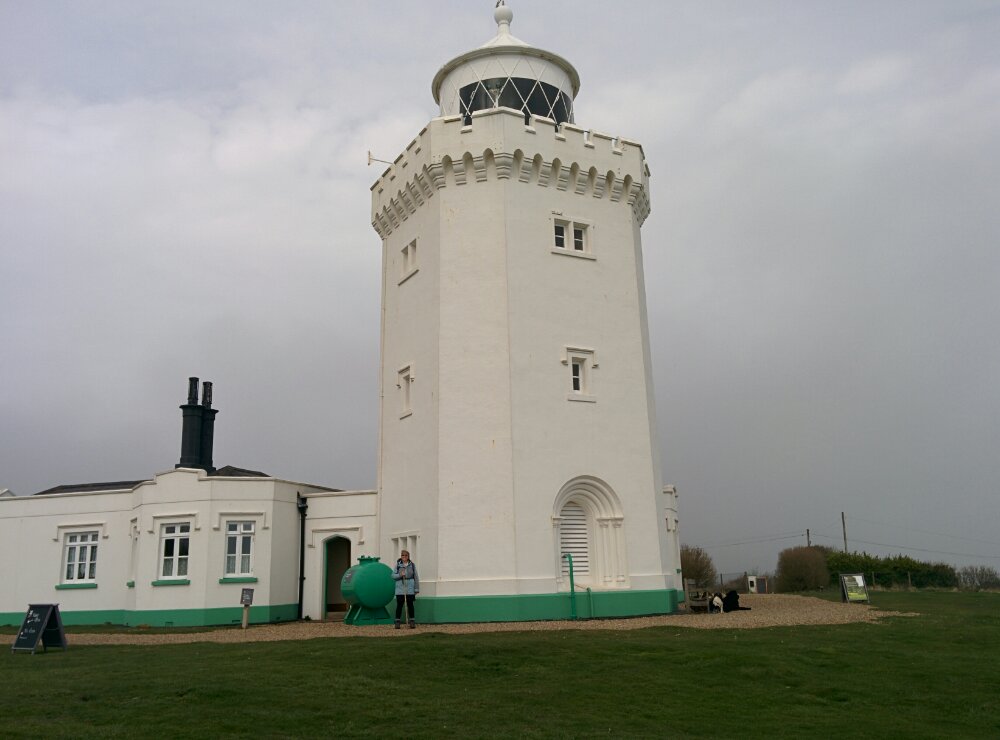
We walked along the White Cliffs to the lighthouse. After a picnic, we had an interesting tour of the lighthouse, and even learned a few things.
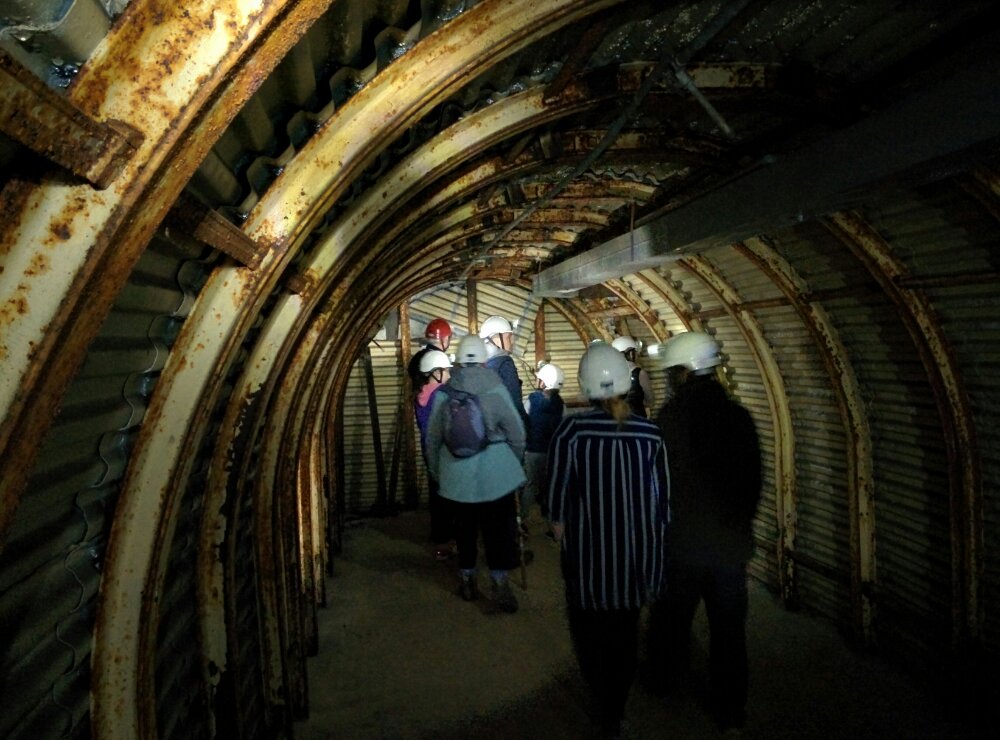
On the way back, we stopped at the newly opened Fan Bay Deep Shelter, WW2 tunnels in the chalk used for accommodation for the gun batteries there.
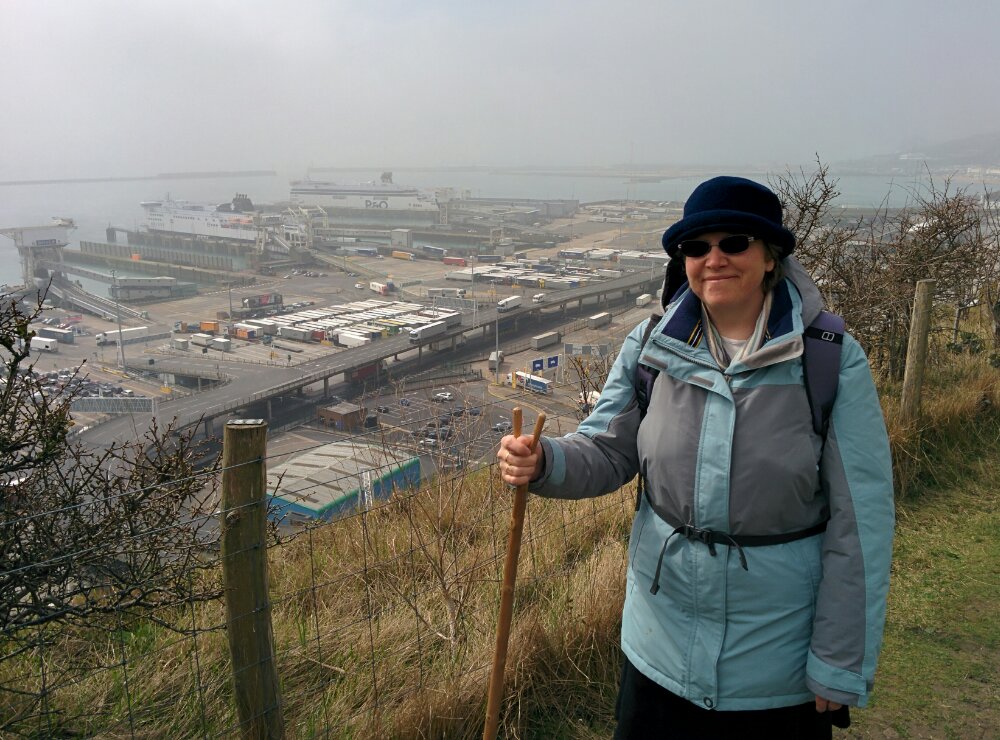
We’re above Dover Port today, a bit misty but dry.